La Brique, The Brick, Cărămida
14.02.201928.04.2019
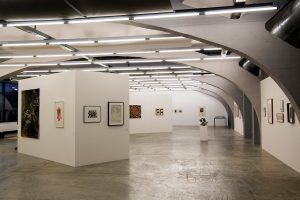
La Brique, The Brick, Cărămida, curated by Ami Barak, brings forward a dynamic and creative artistic scene, from the beginning of the XXth century until now.
(1876-1957)
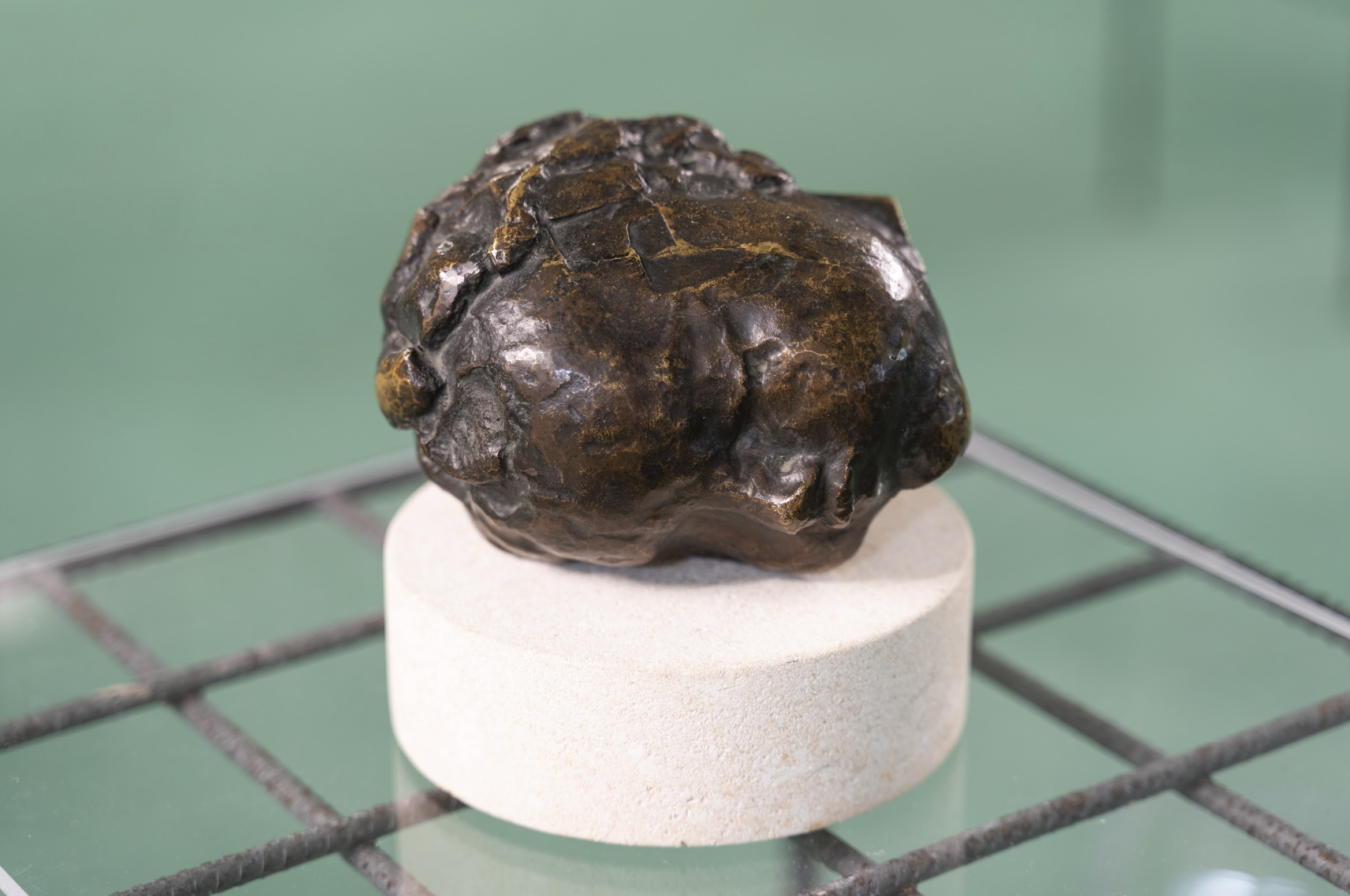
Was born in Hobița, Romania, and studied at the School of Arts and Crafts in Craiova, before moving to Bucharest to study at the National School of Fine Arts. In 1904, he walked to Paris, where he was admitted to the école nationale supérieure des Beaux-Arts. Between 1907 and 1914, he took part in exhibitions in Paris and Bucharest with works that made him famous, such as Maïastra, La Muse endormie and Mademoiselle Pogany. After 1914 he began to take part in numerous exhibitions in the United States, where his works were bought by the great collectors of his time. Constantin Brăncuși had a major contribution to the innovation of language and vision in contemporary sculpture worldwide.
Brâncuși’s sculptures are fragmented; by simplifying anatomy, the artist reduces forms to their purest expression. Brâncuși later freed himself from this avant-garde technique, moving increasingly towards more allegorical figures, imbued with abstraction.