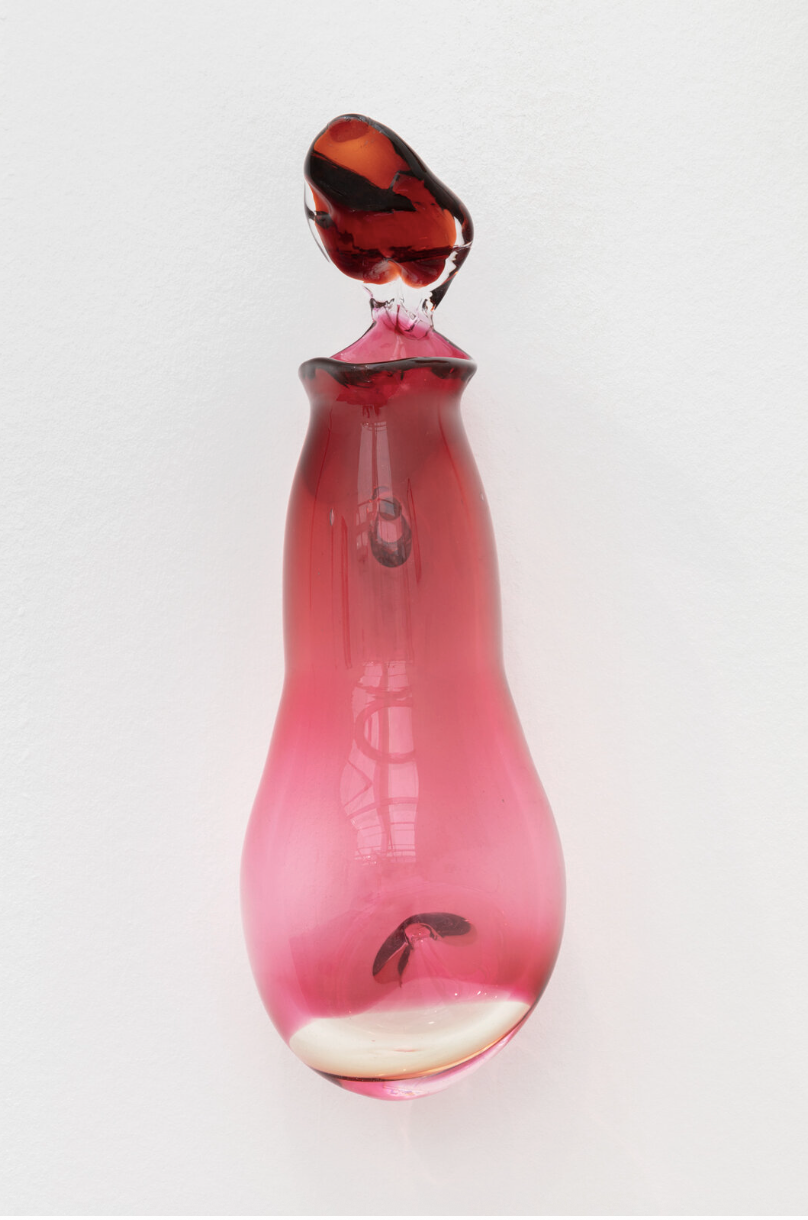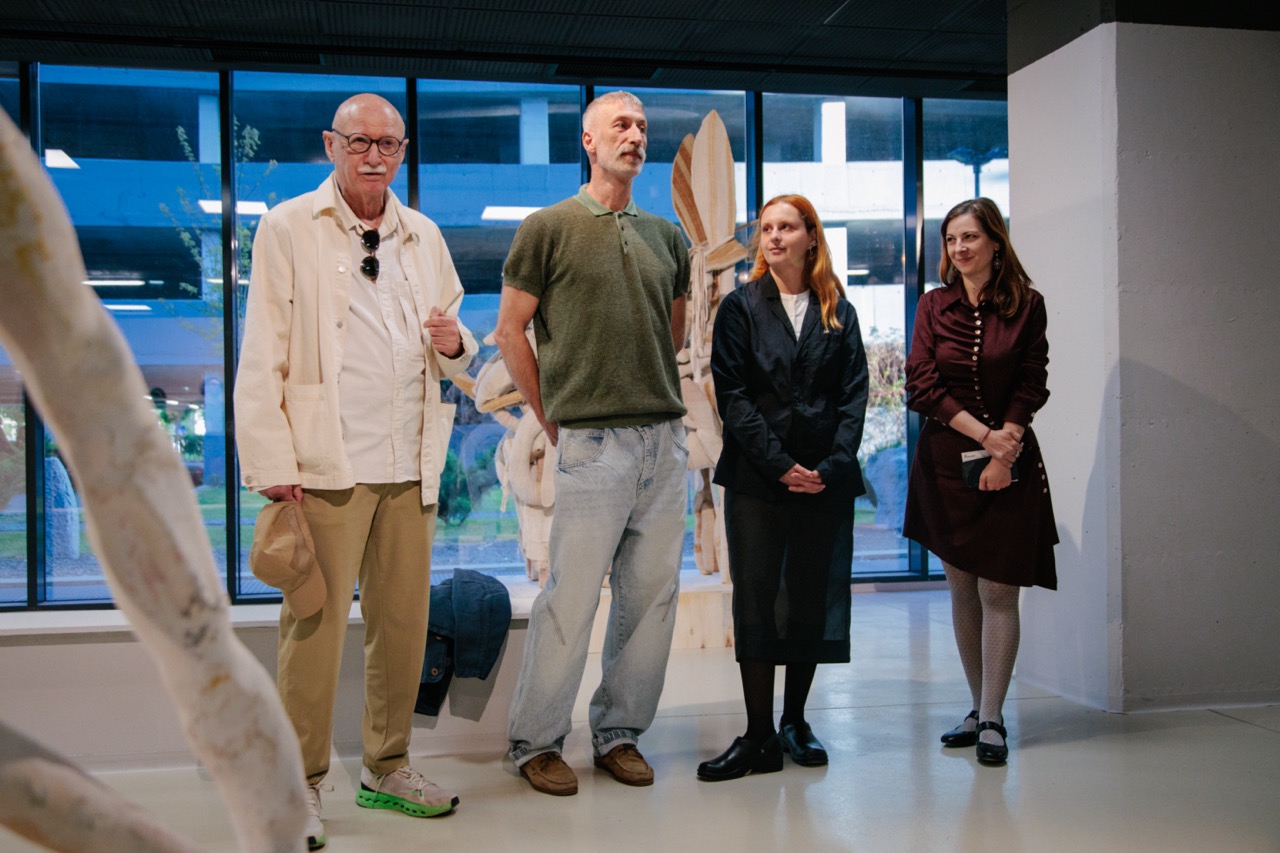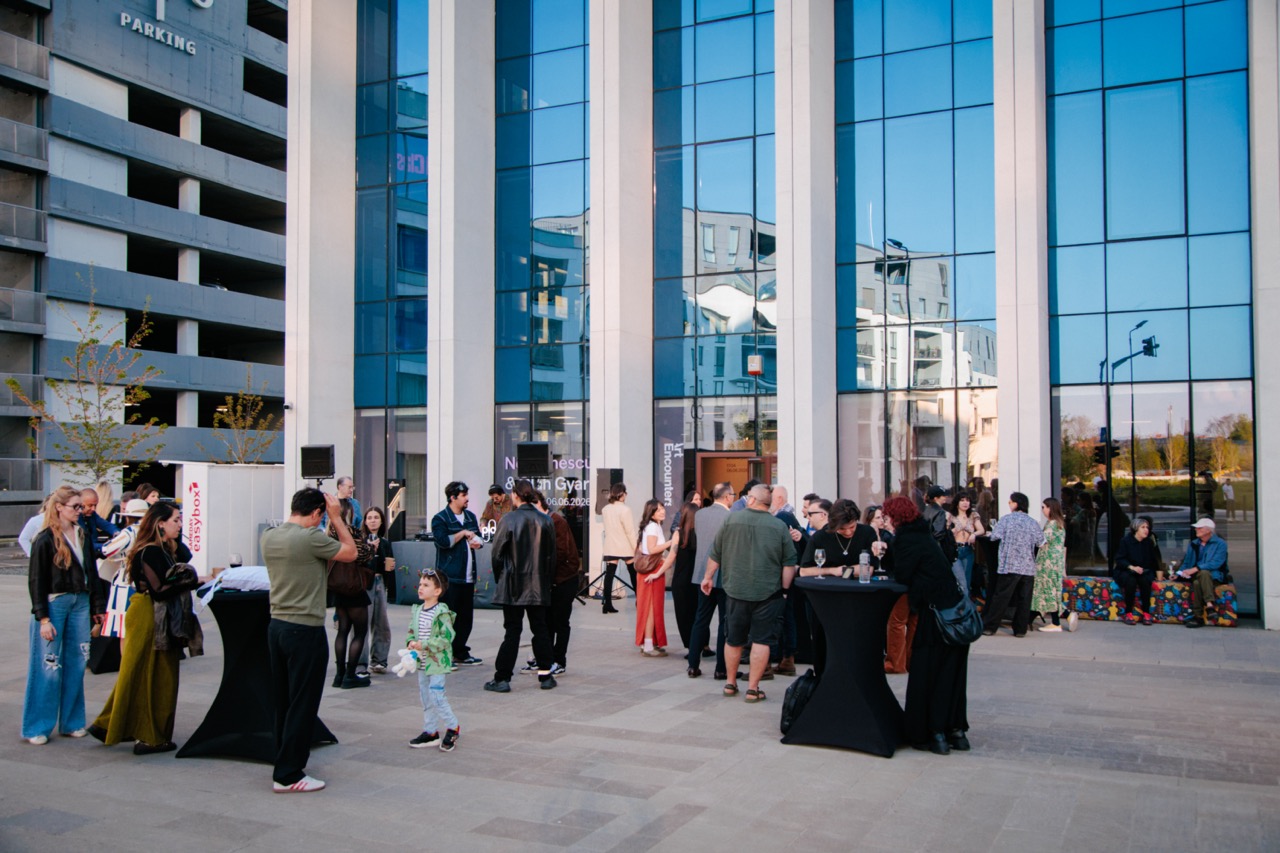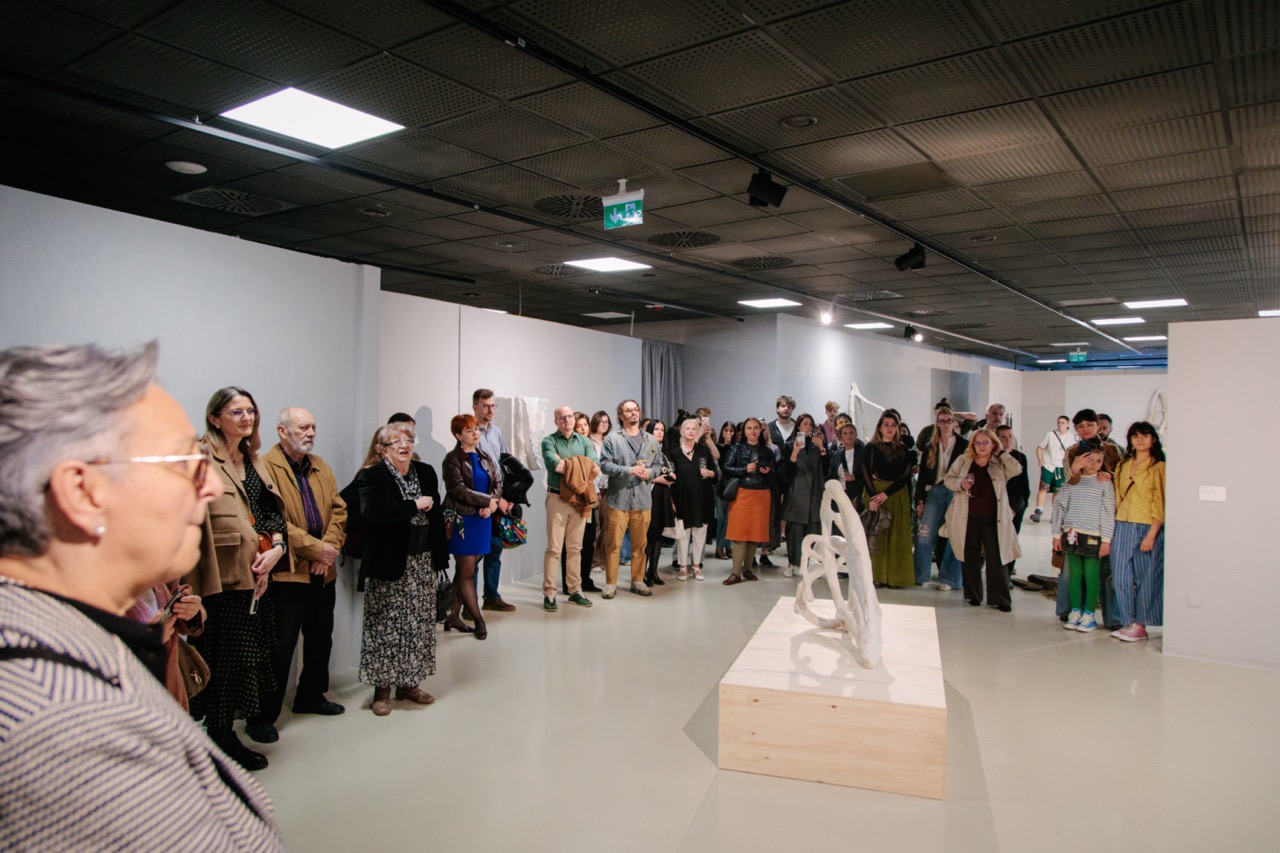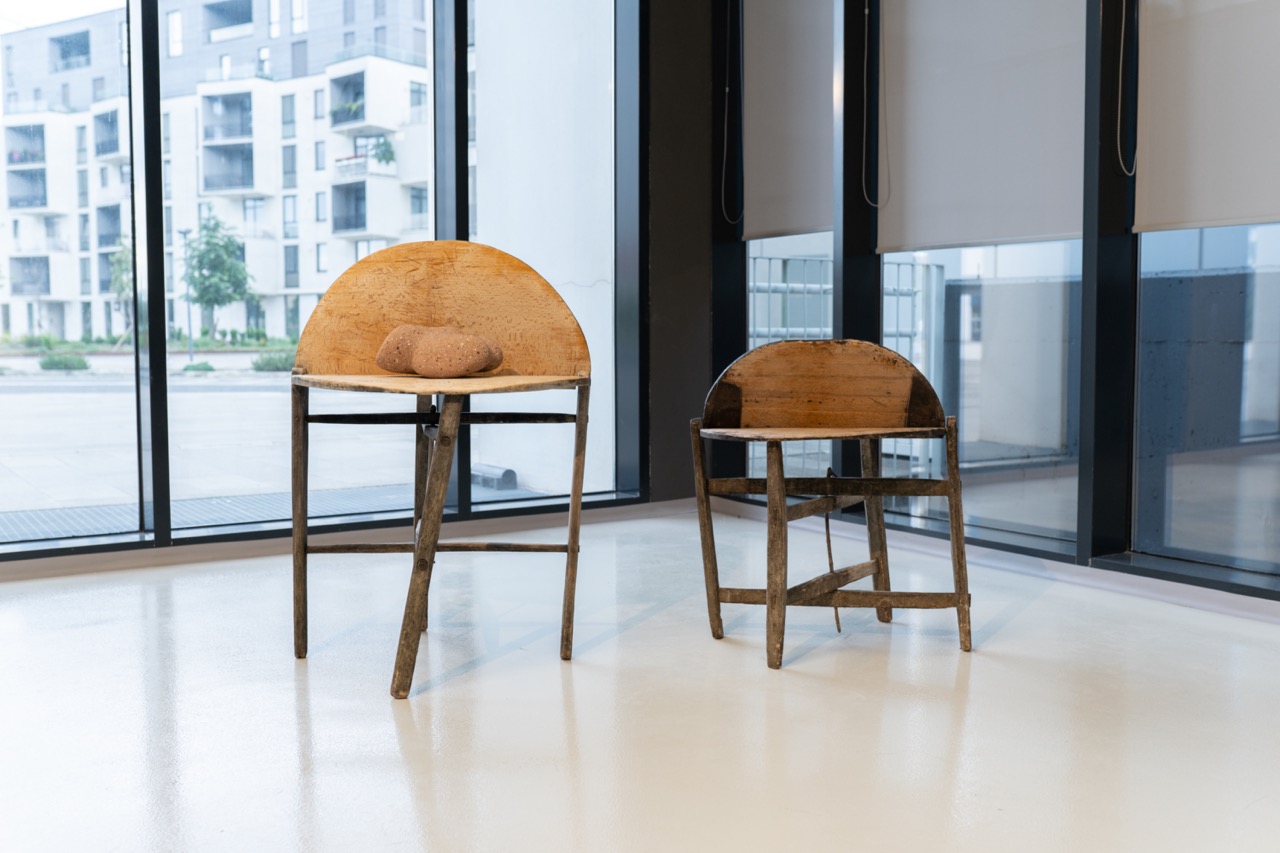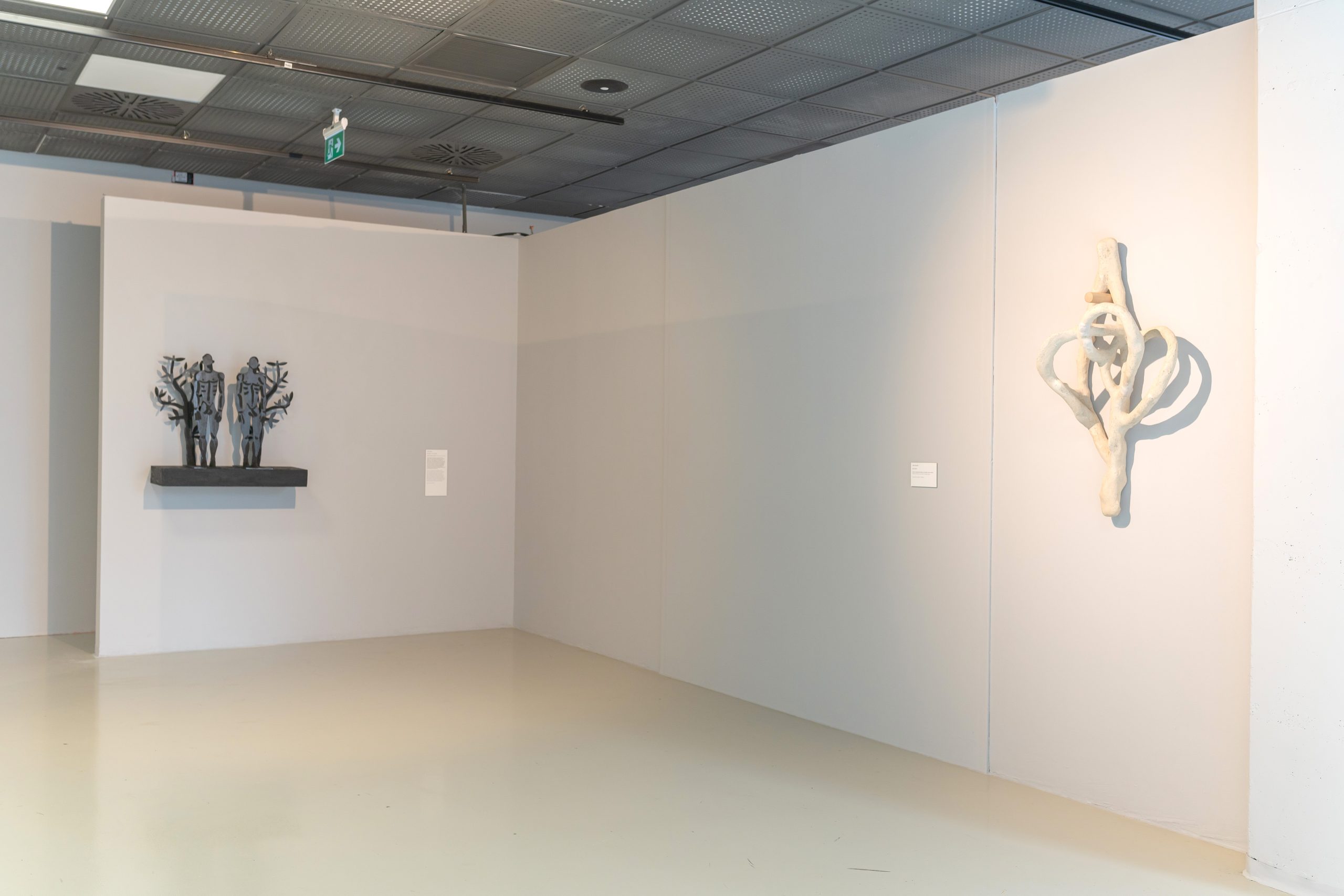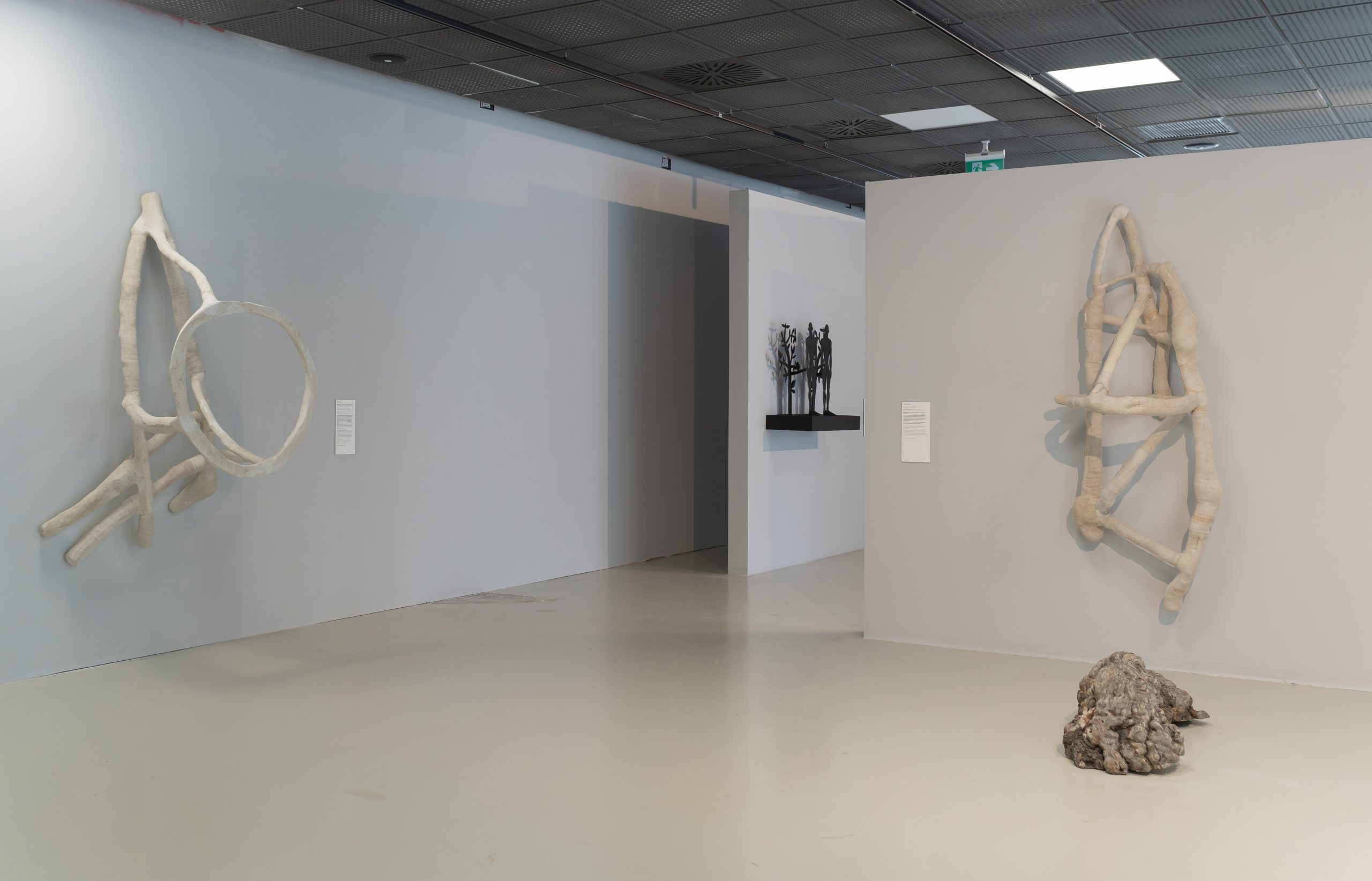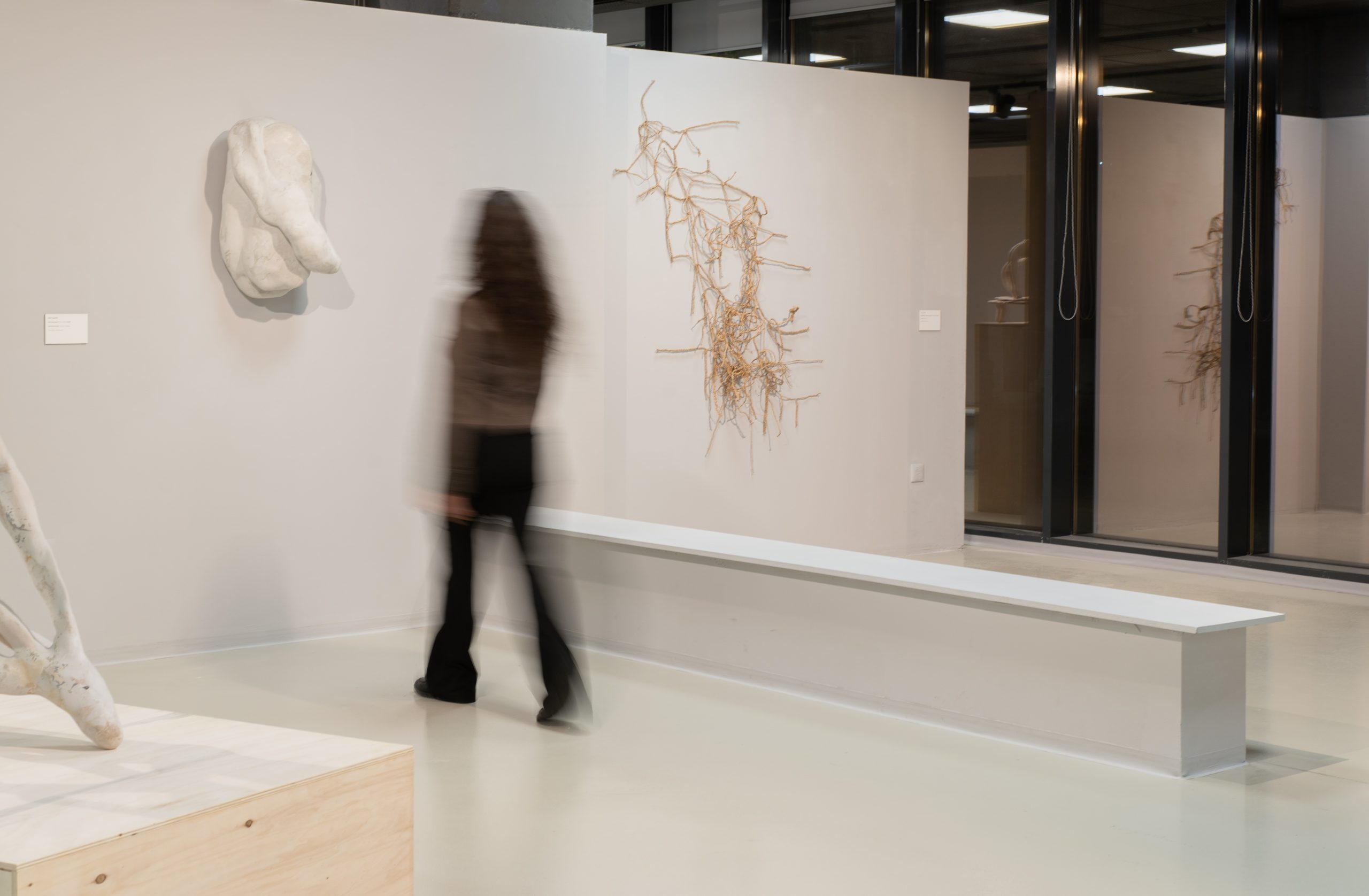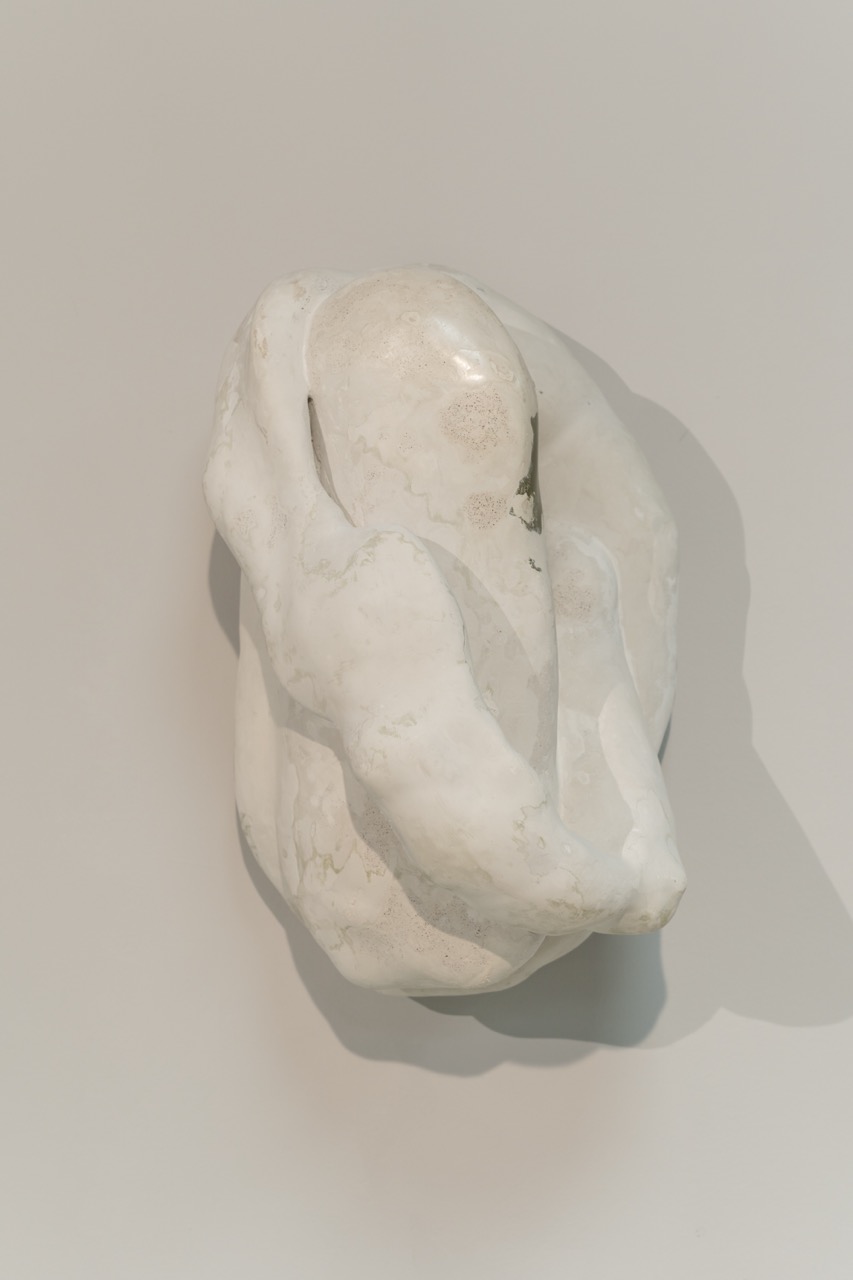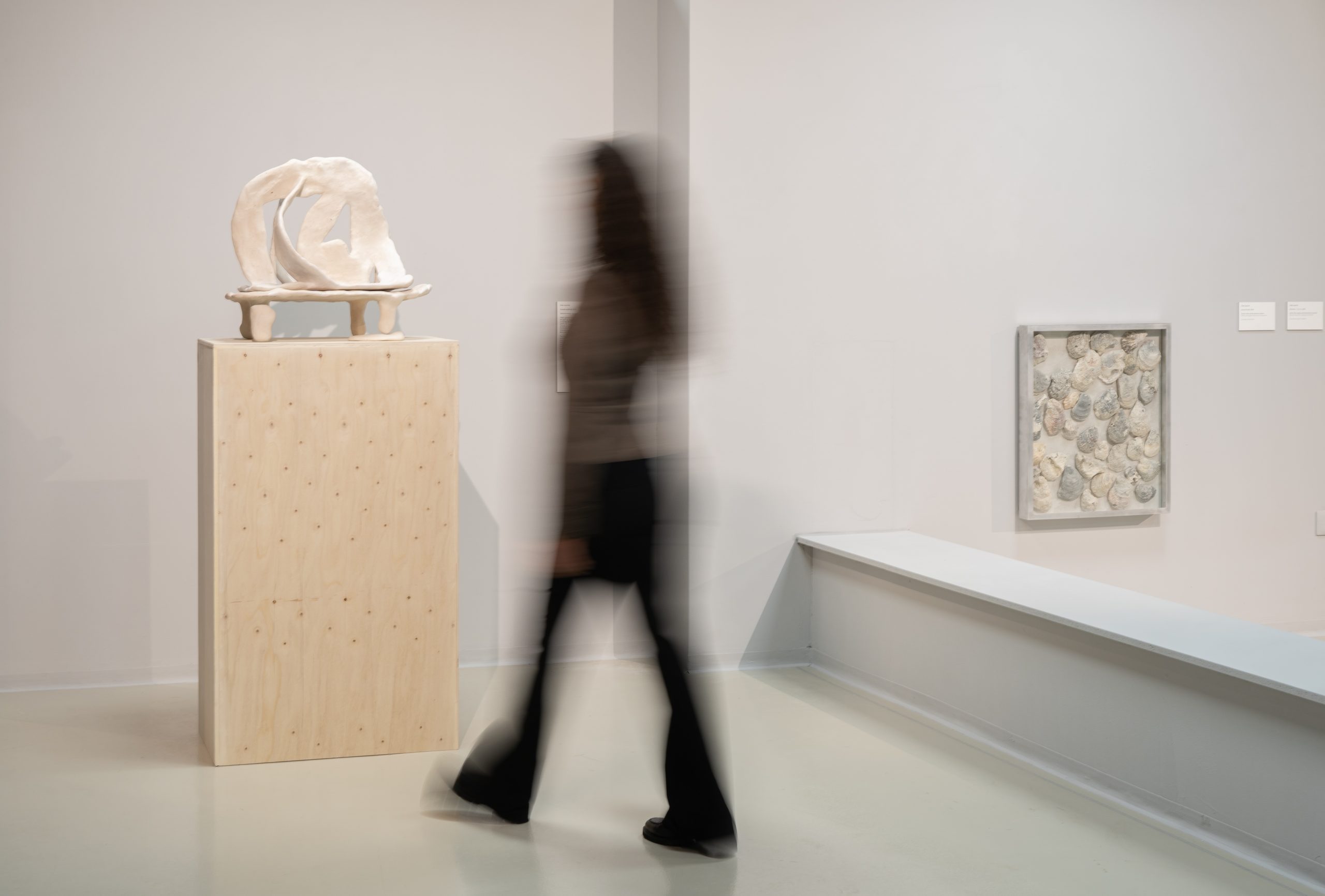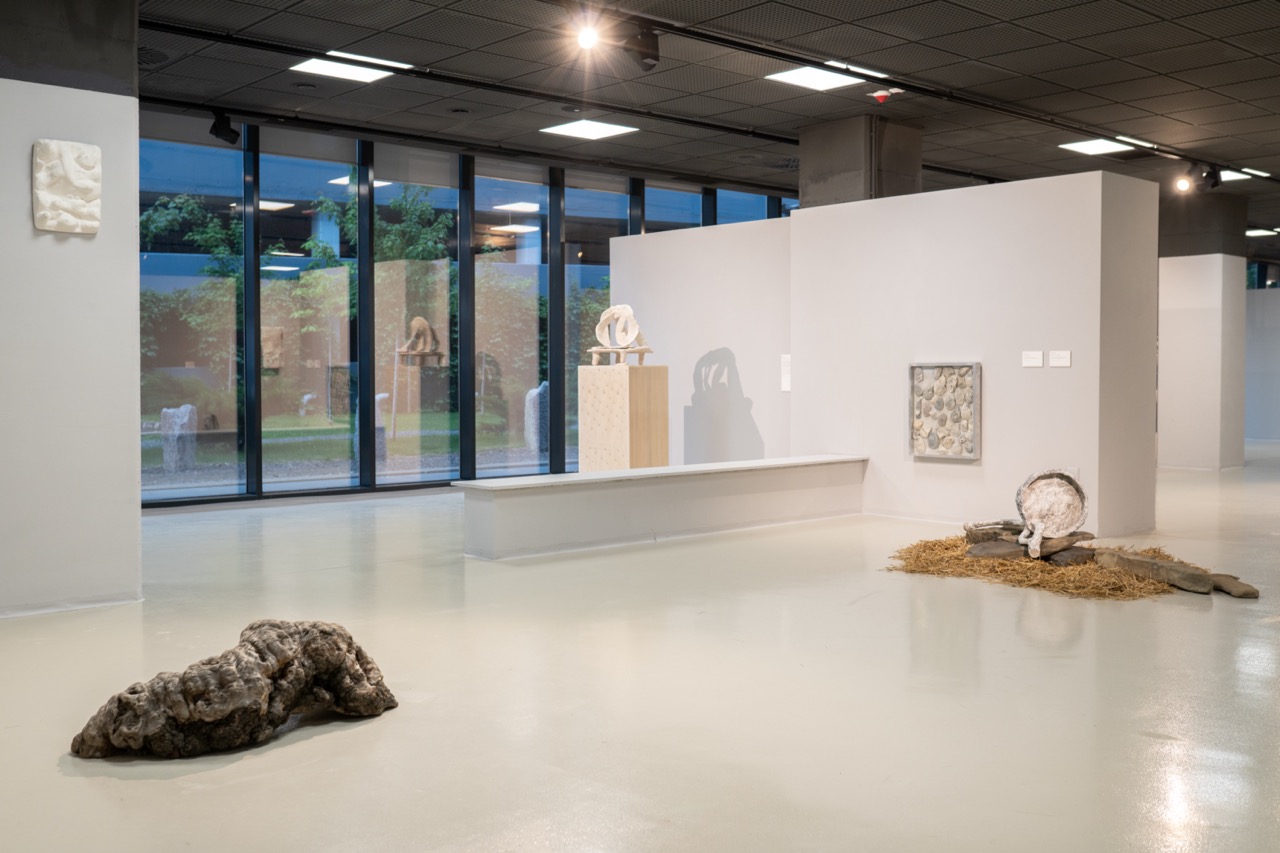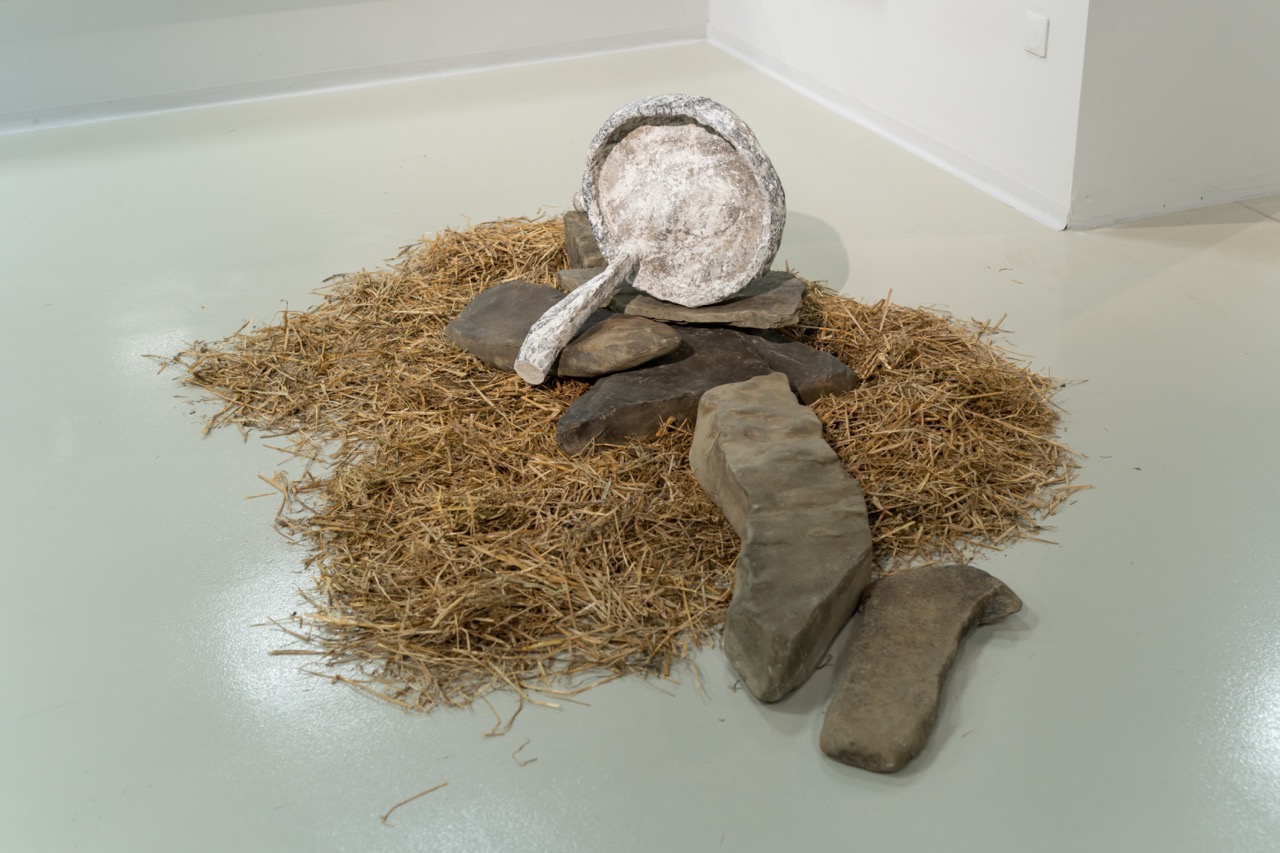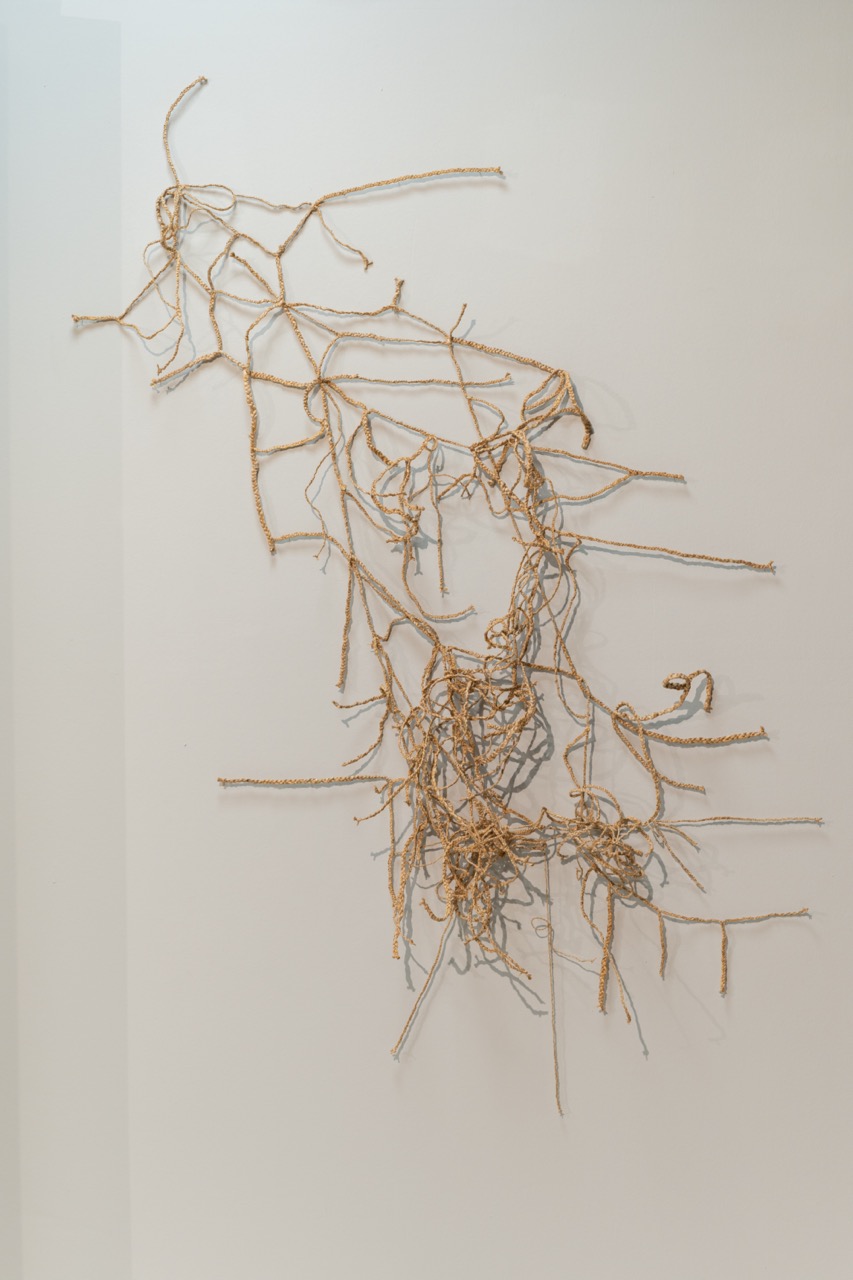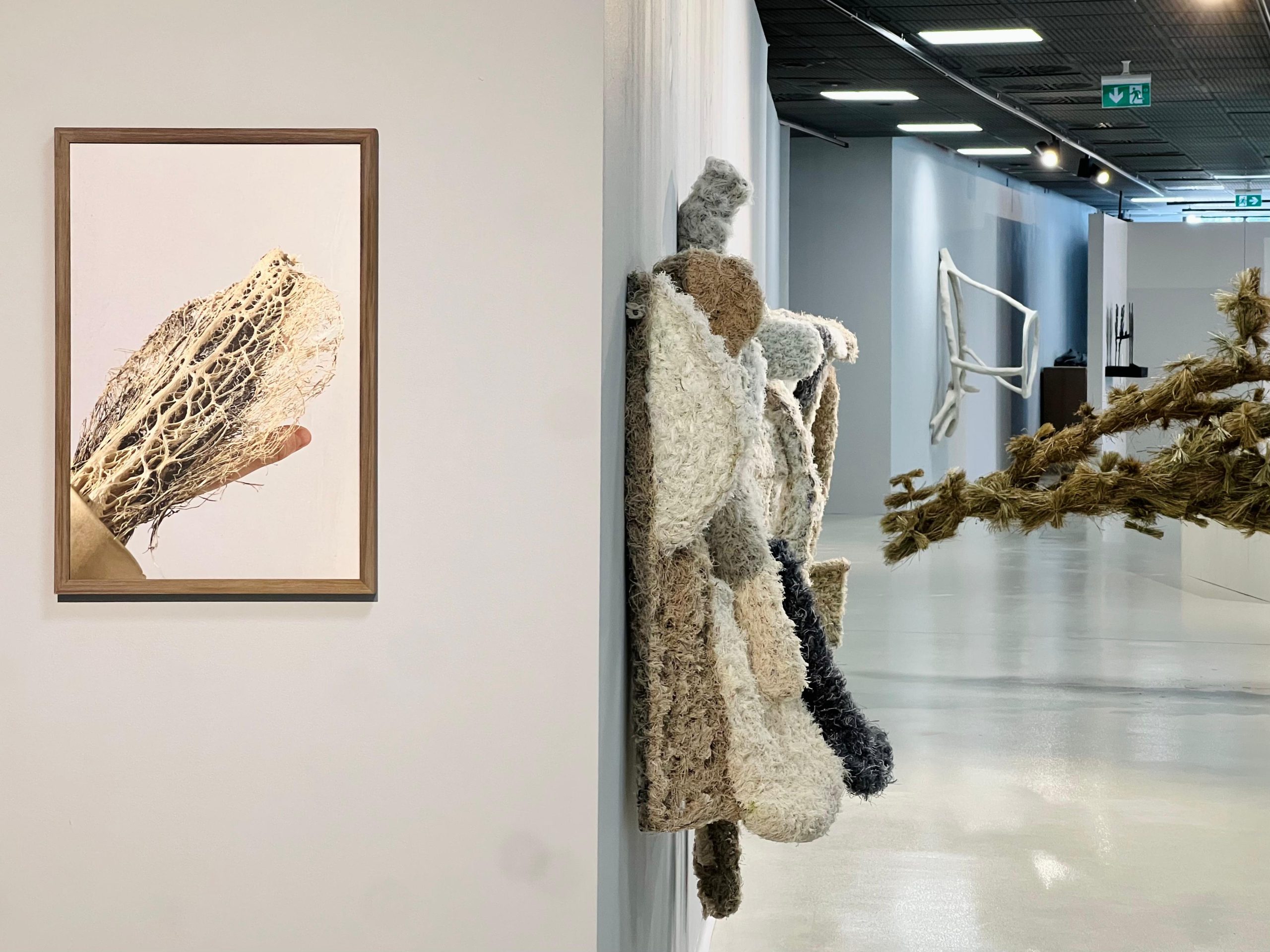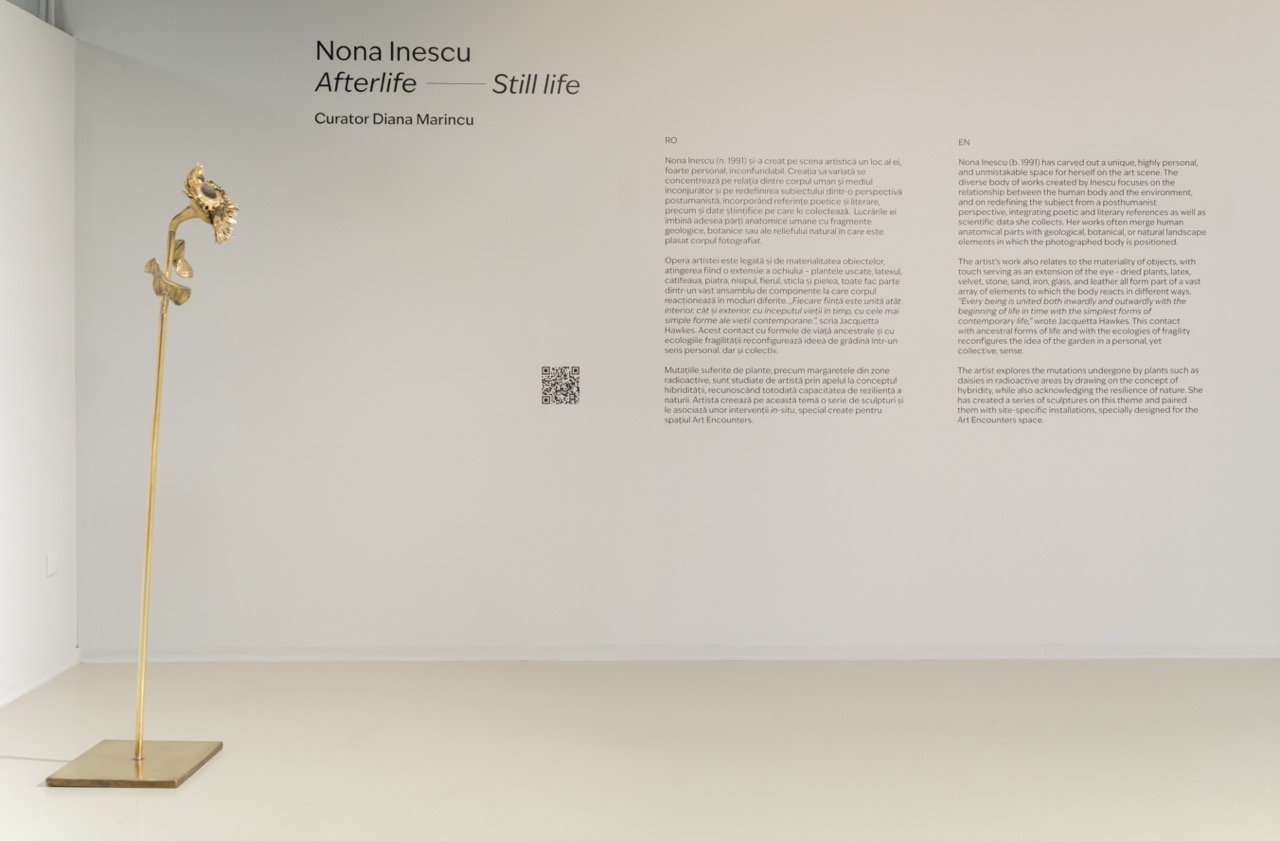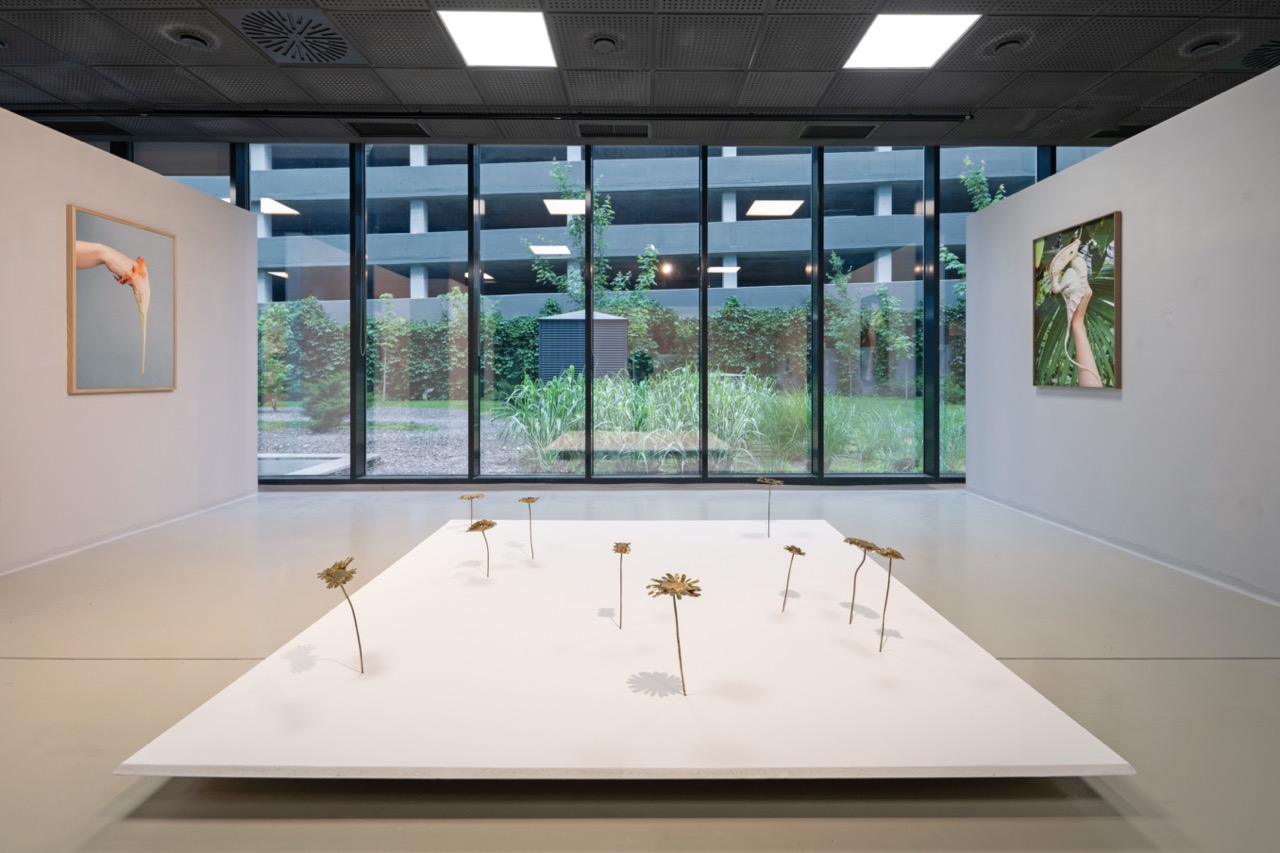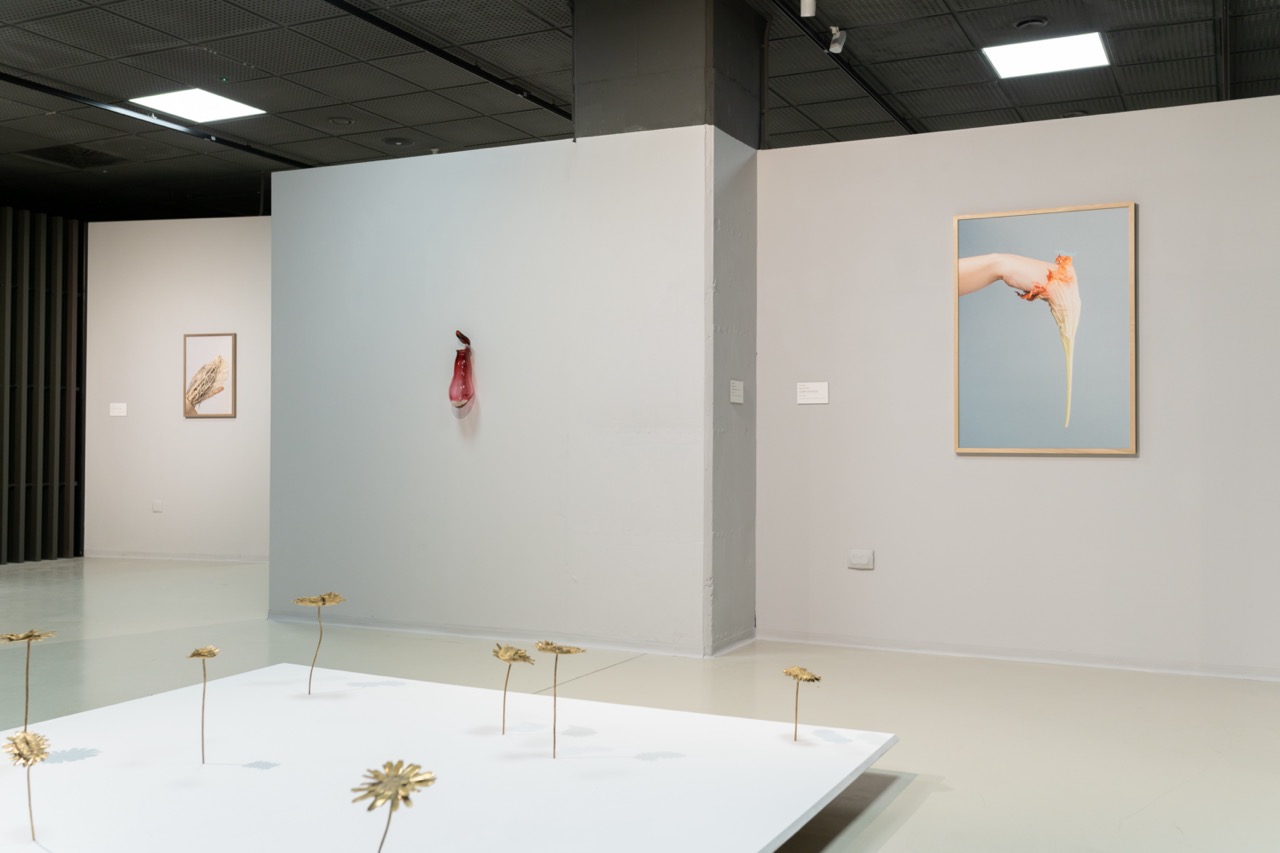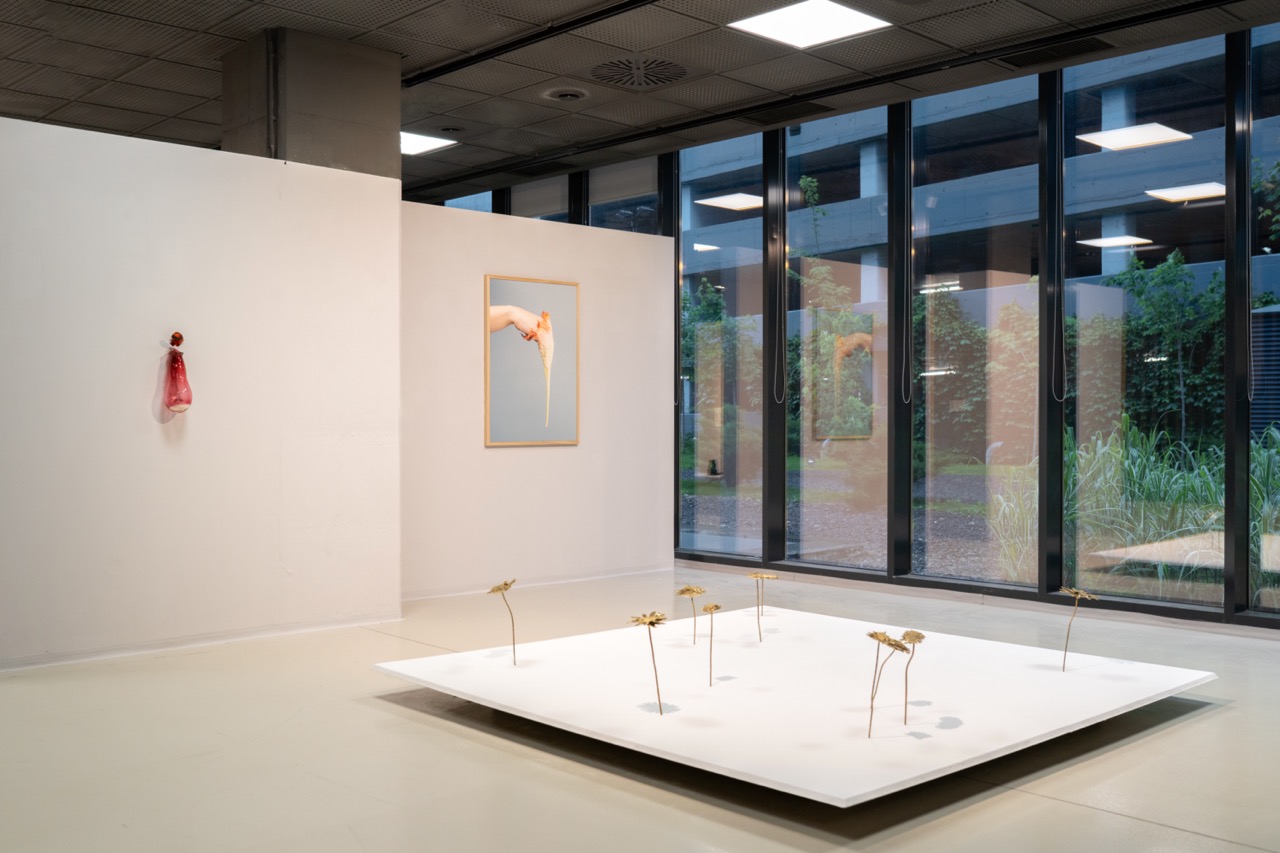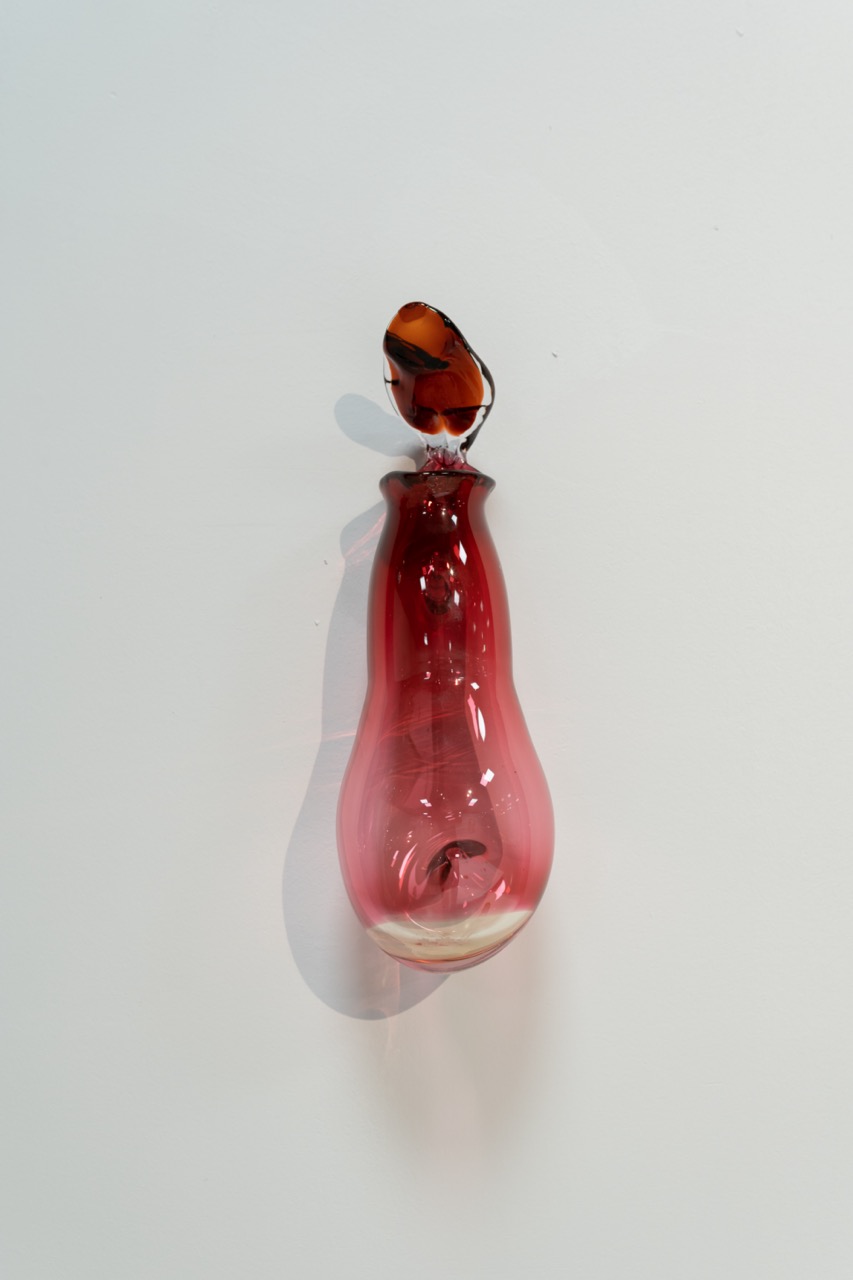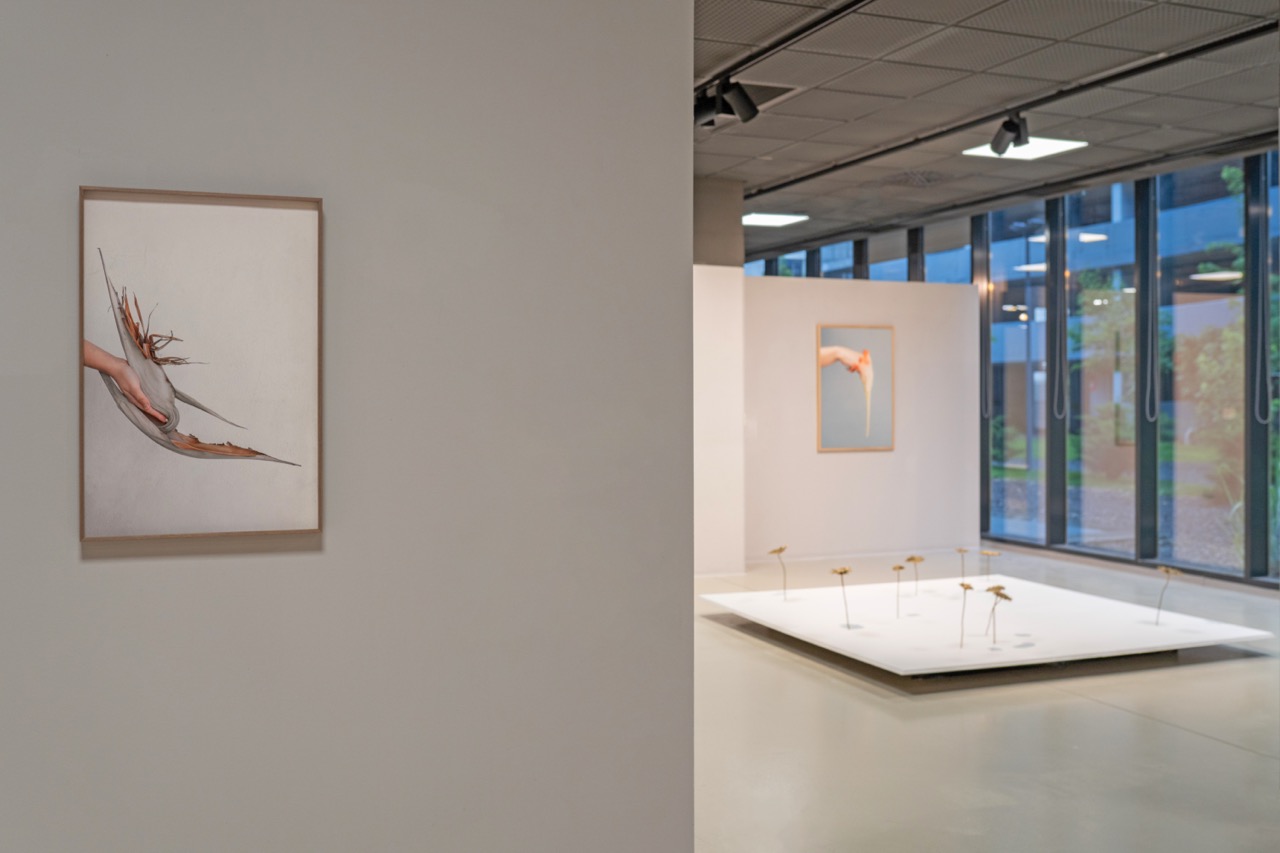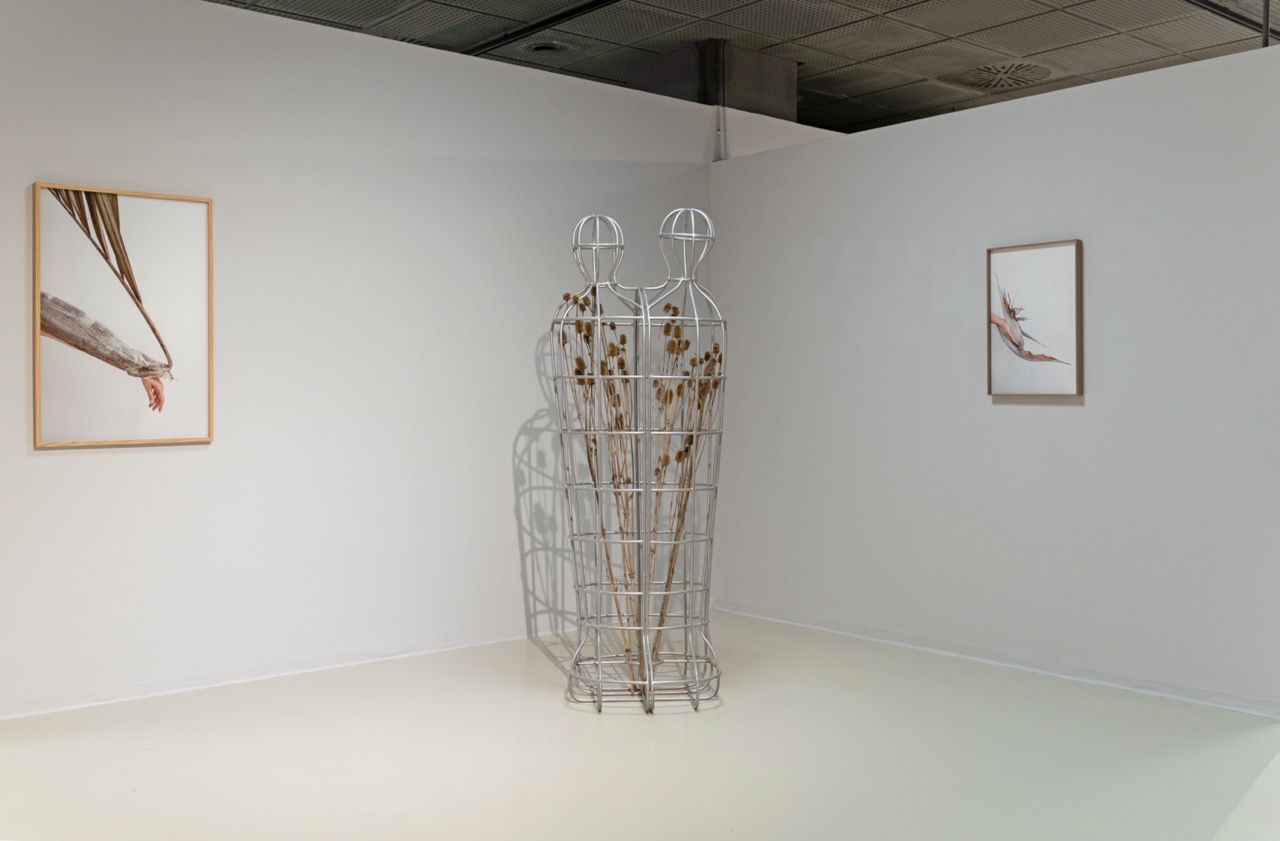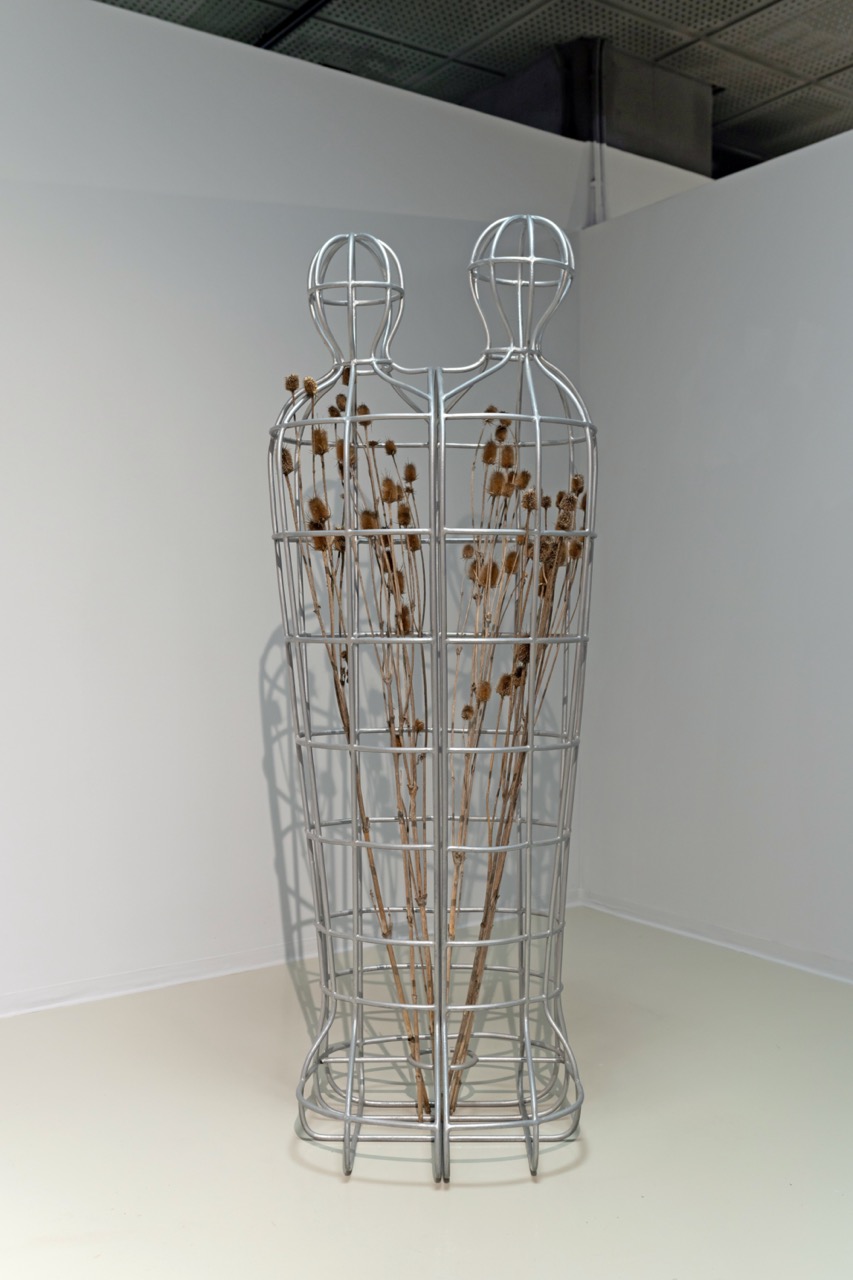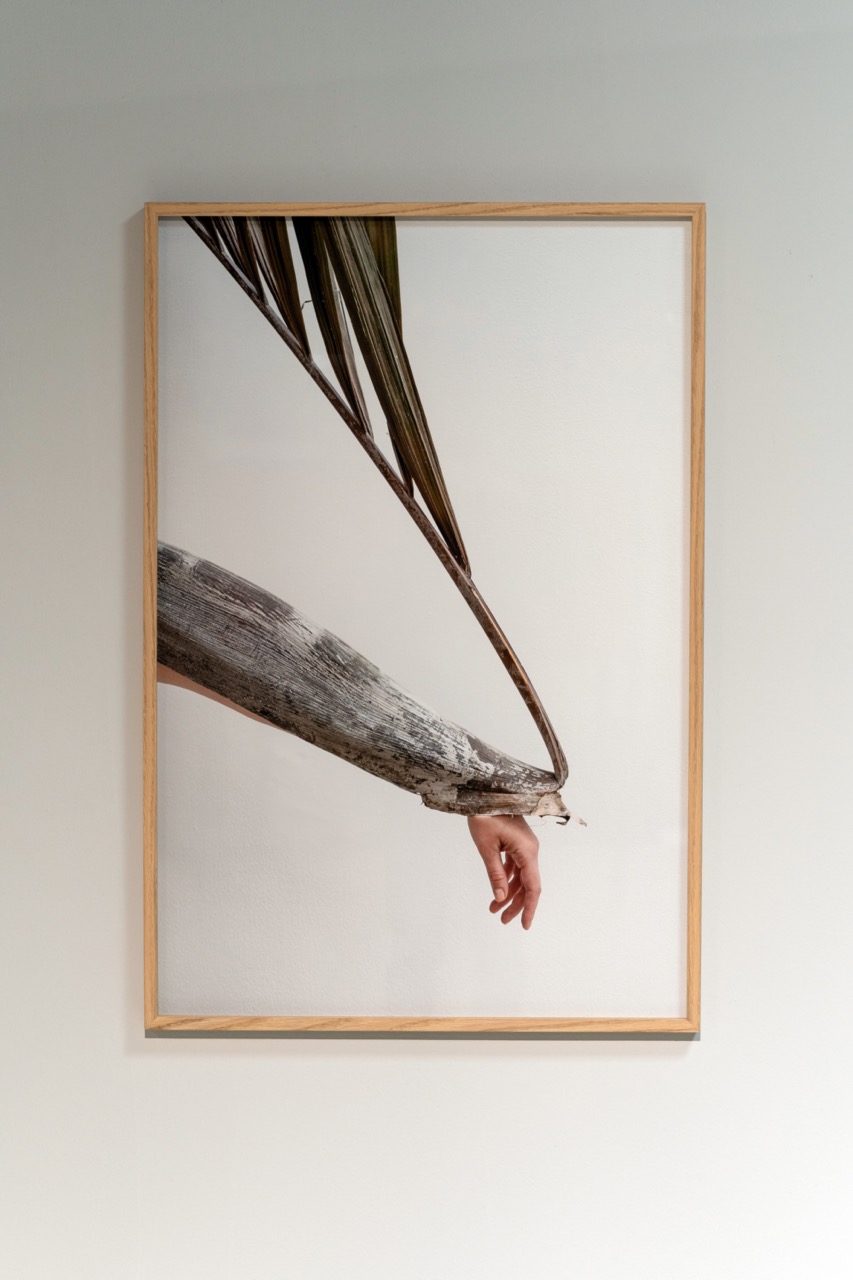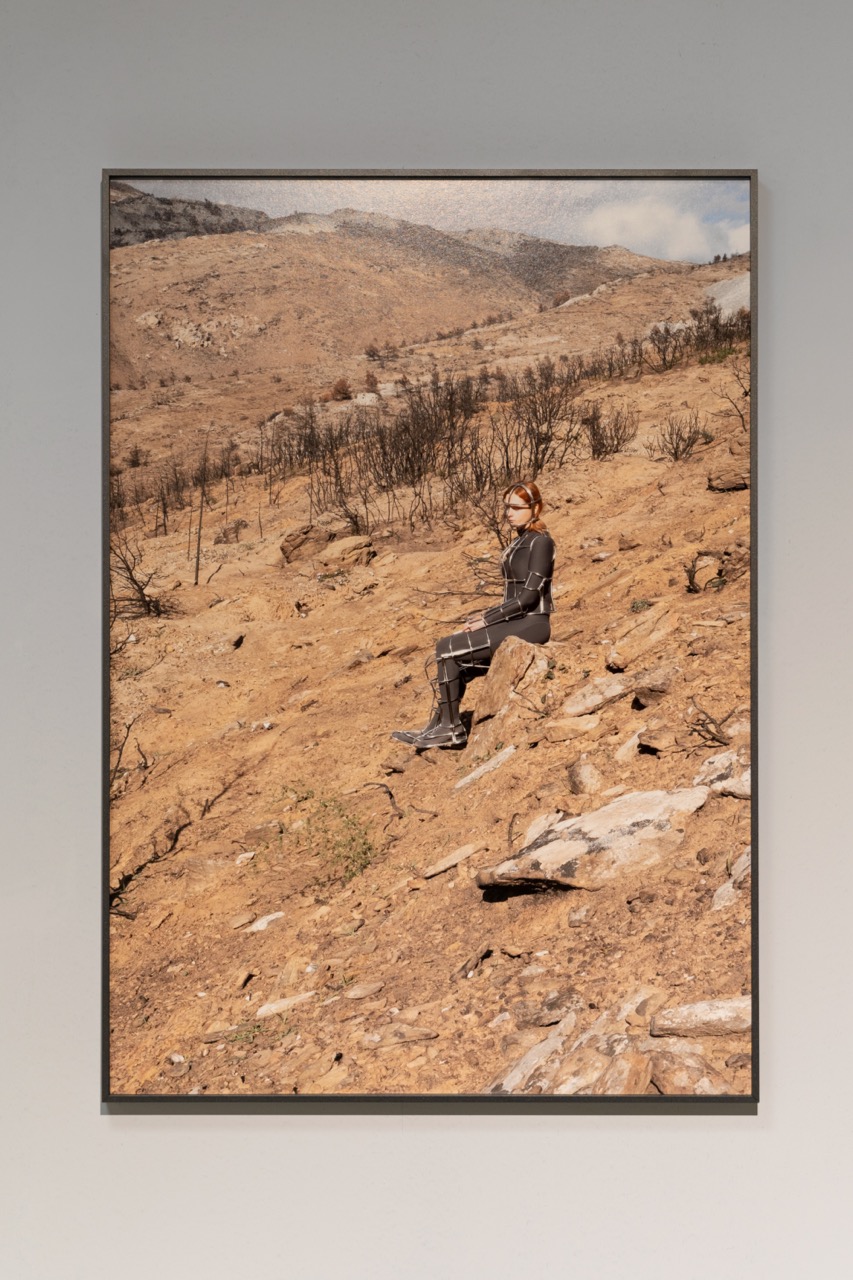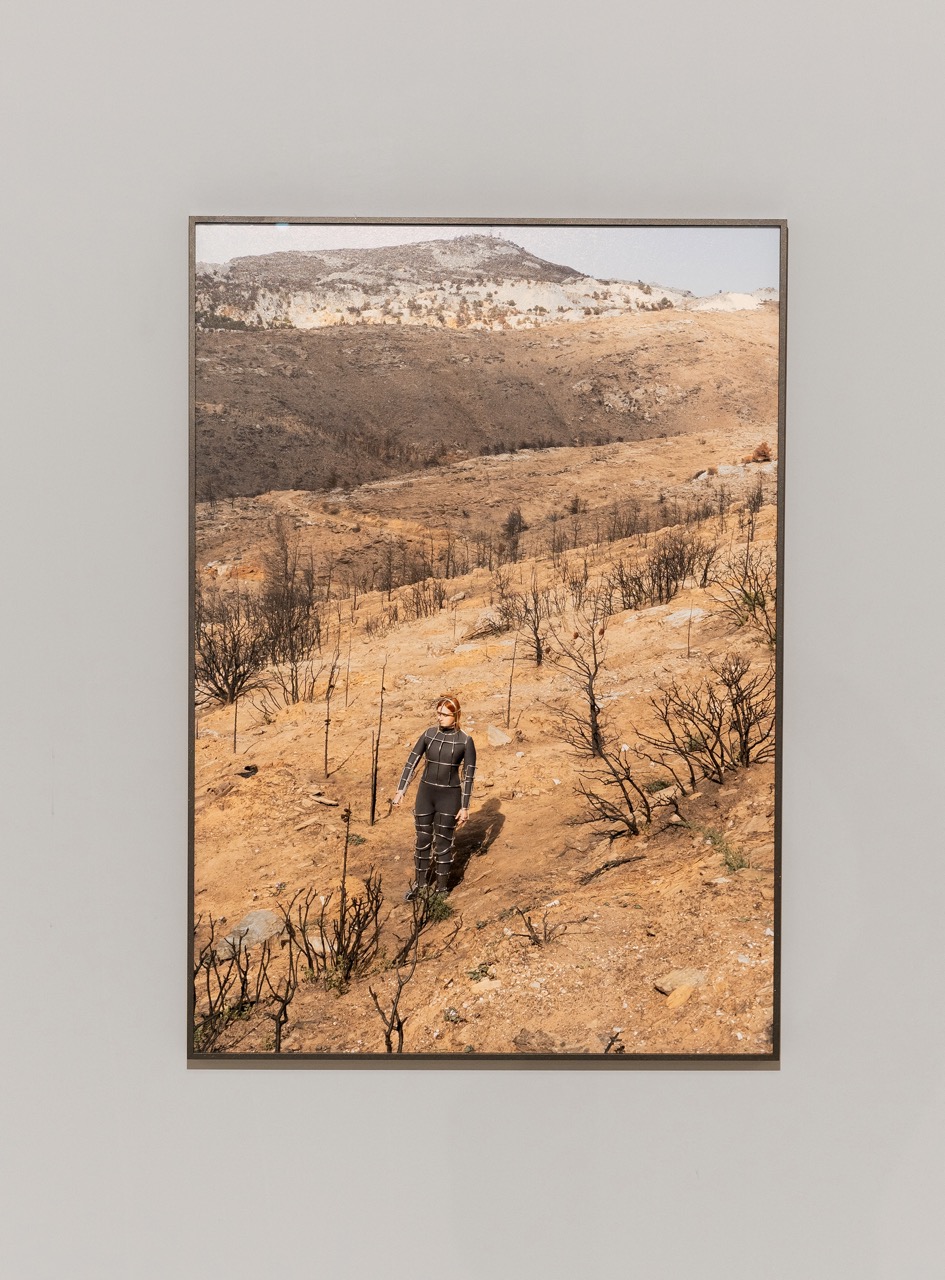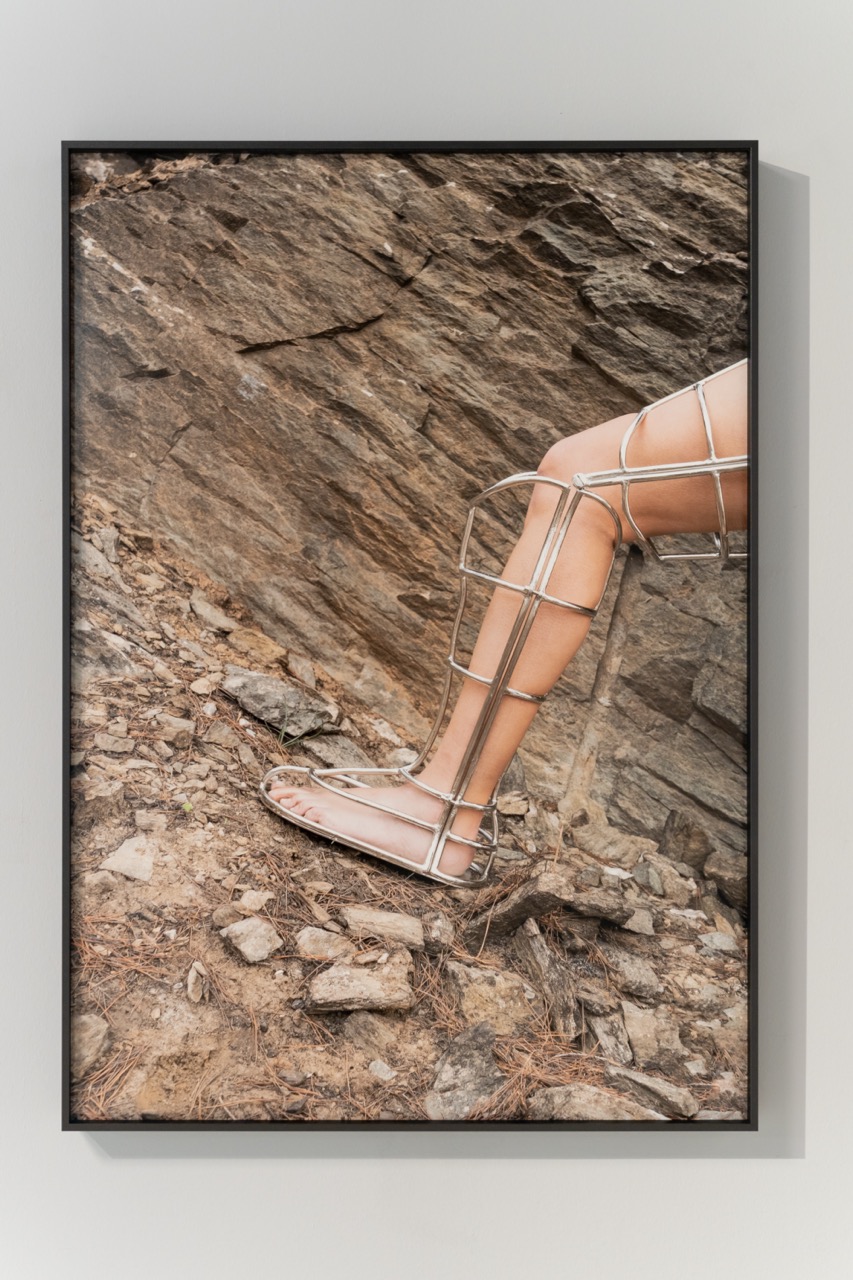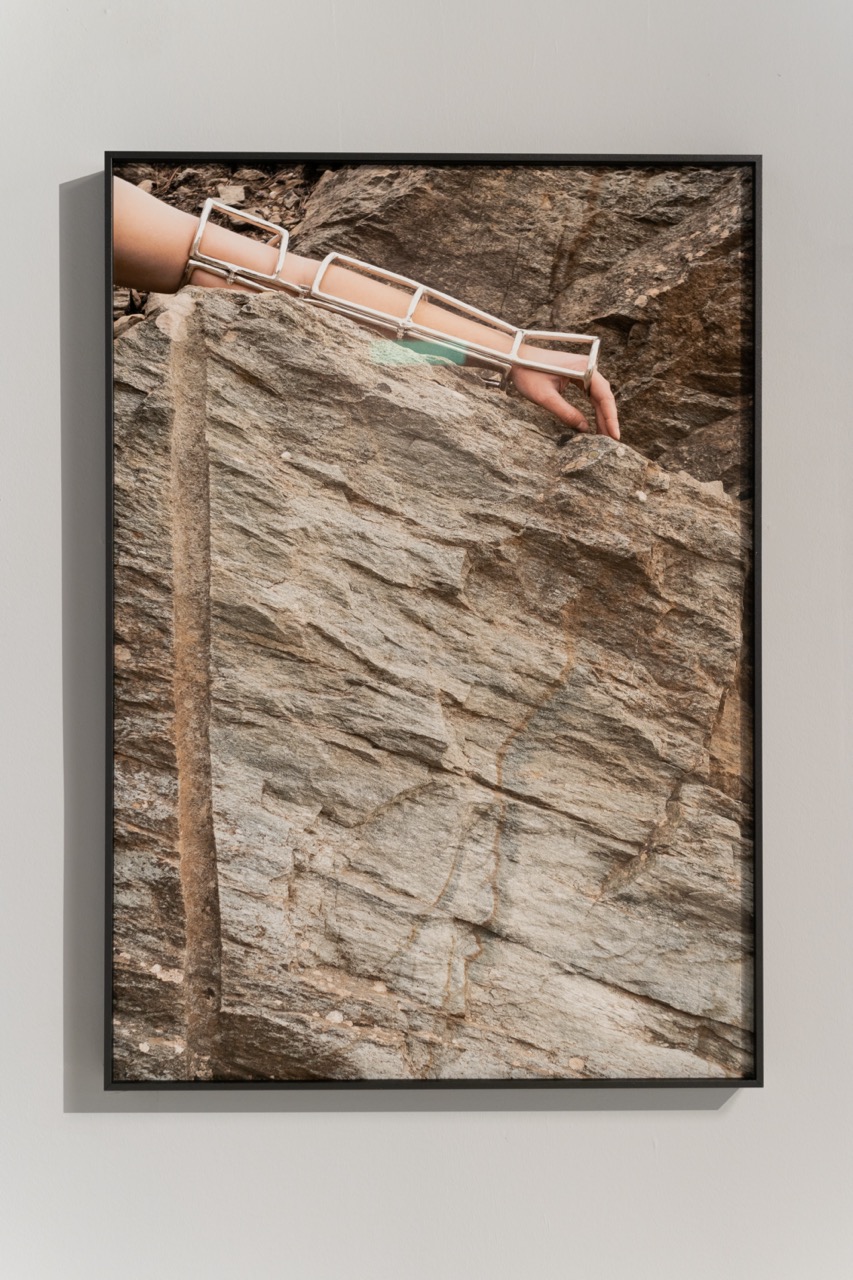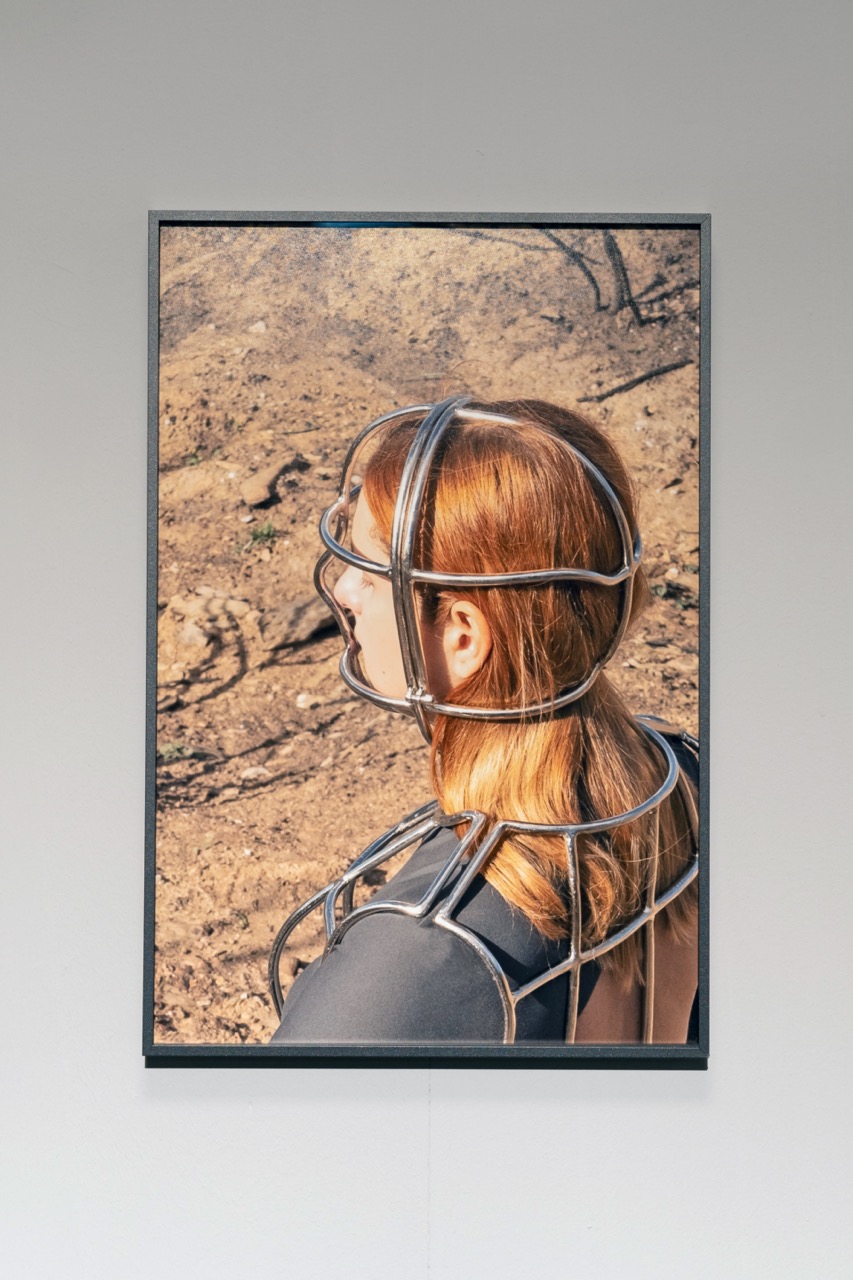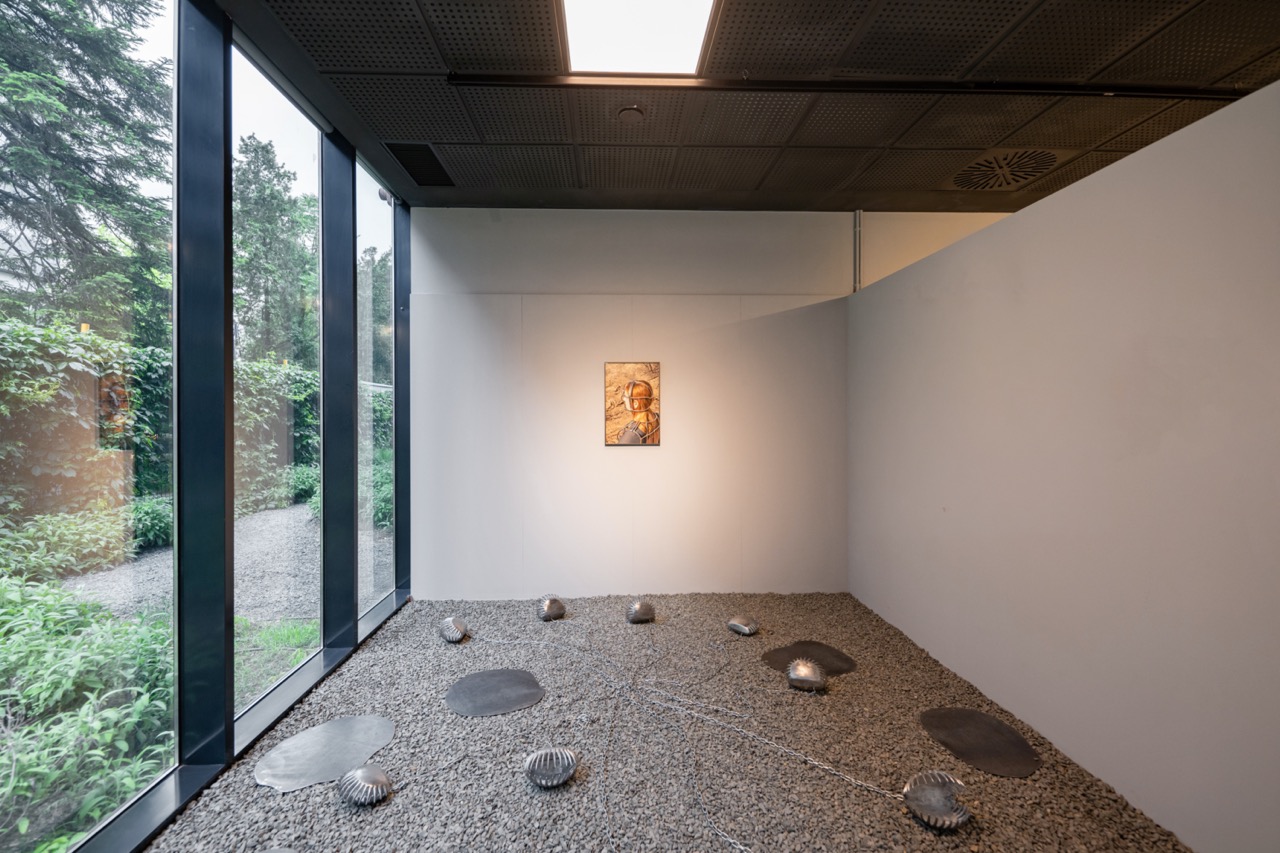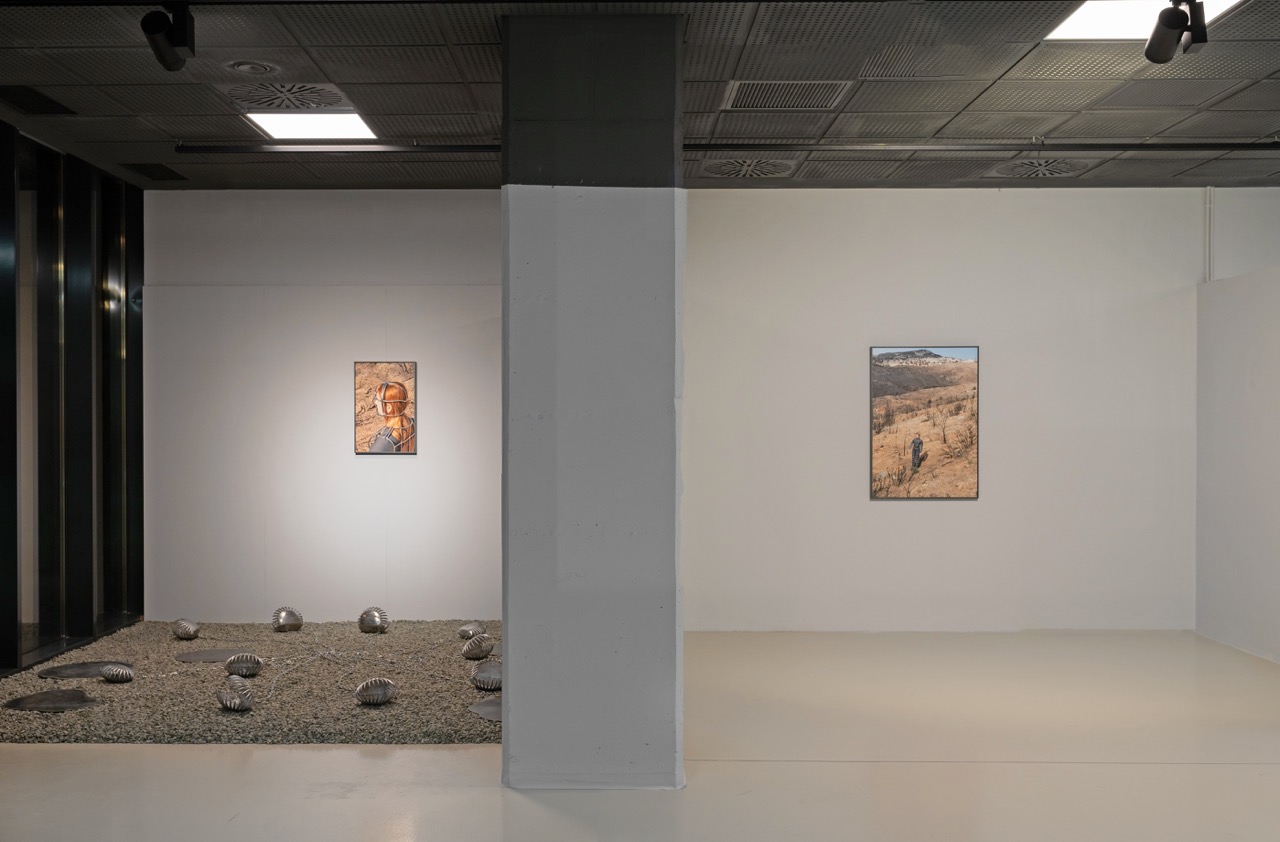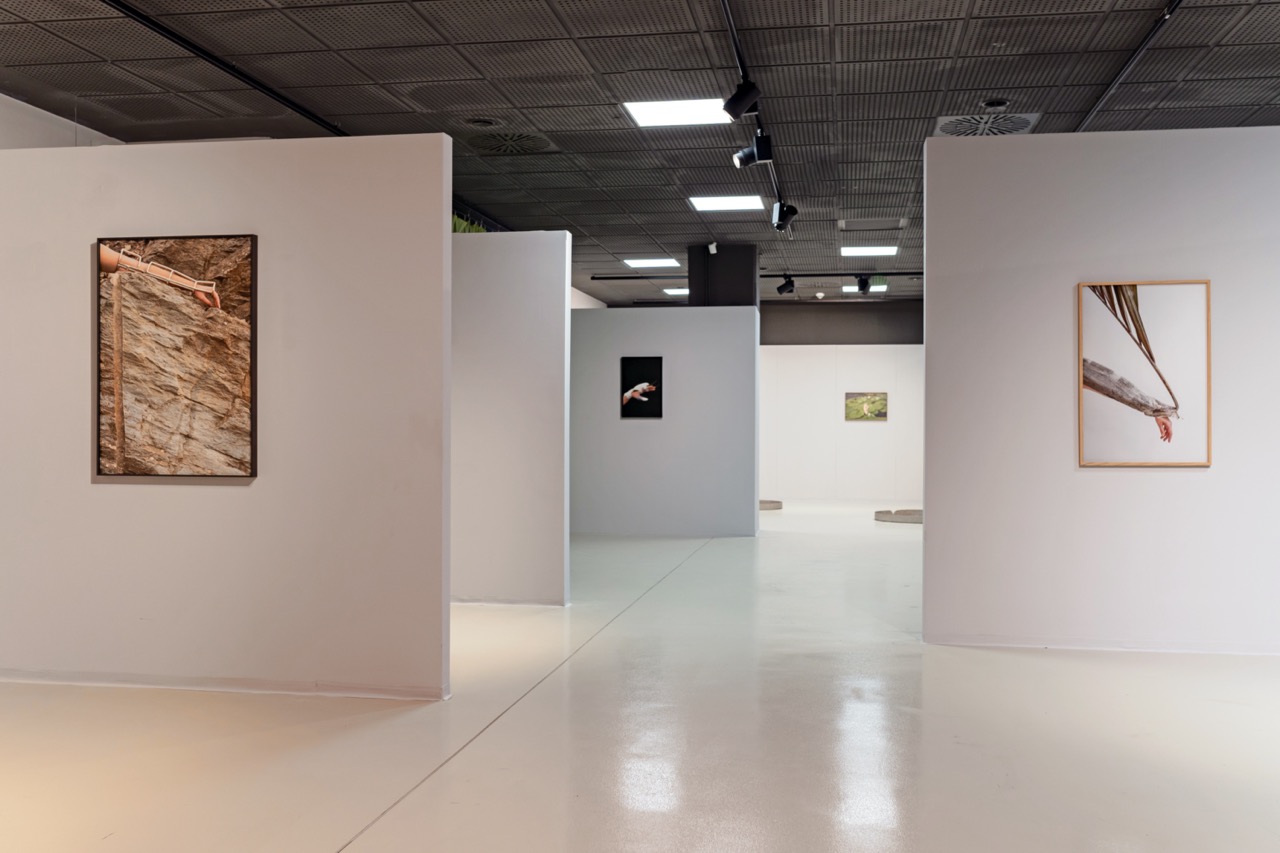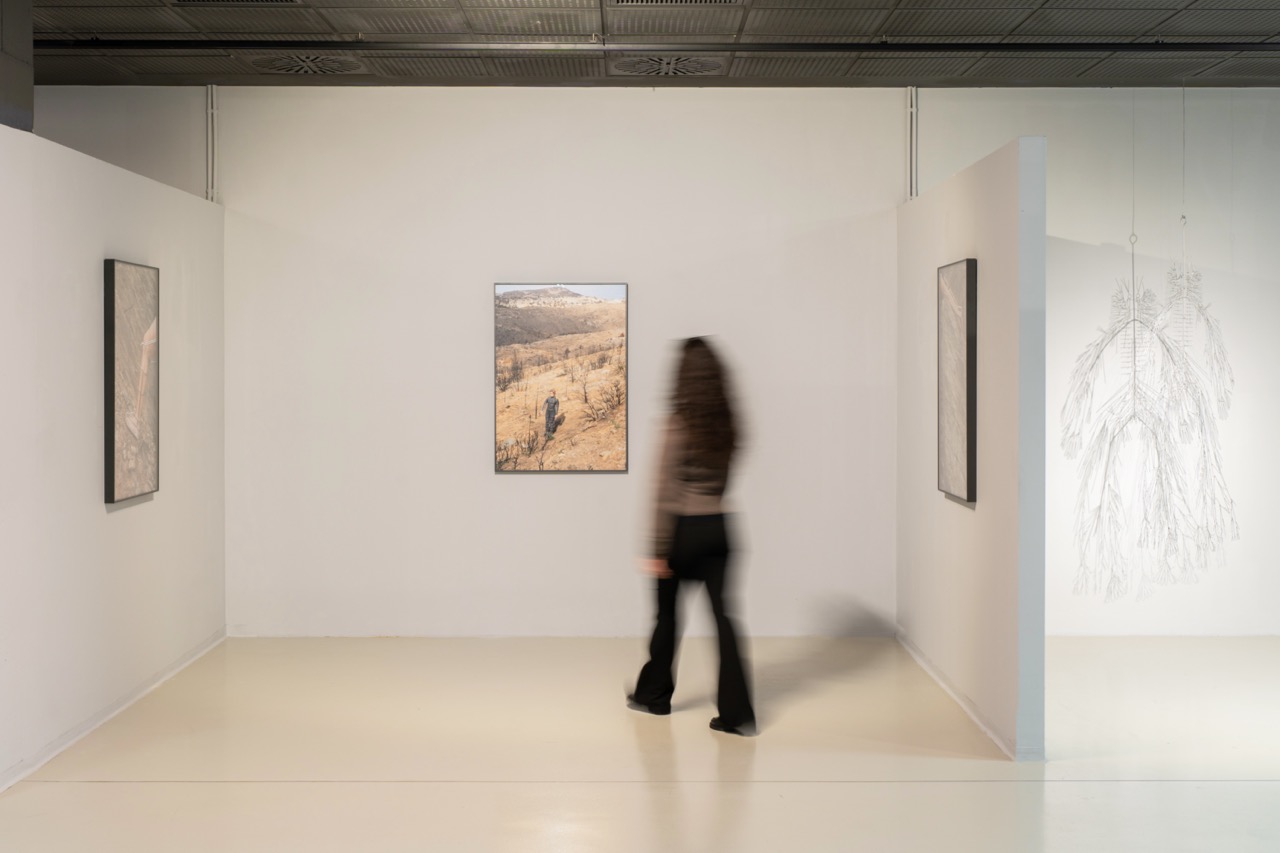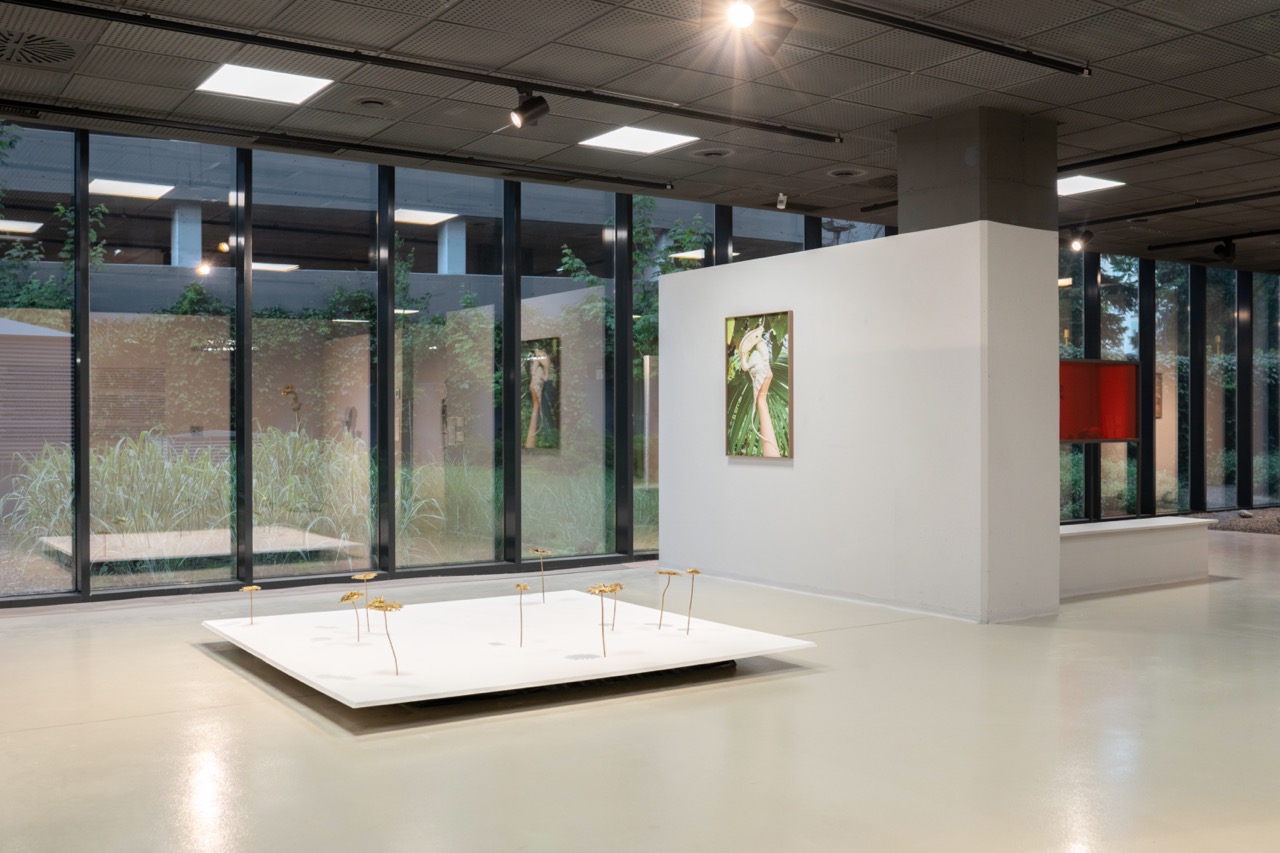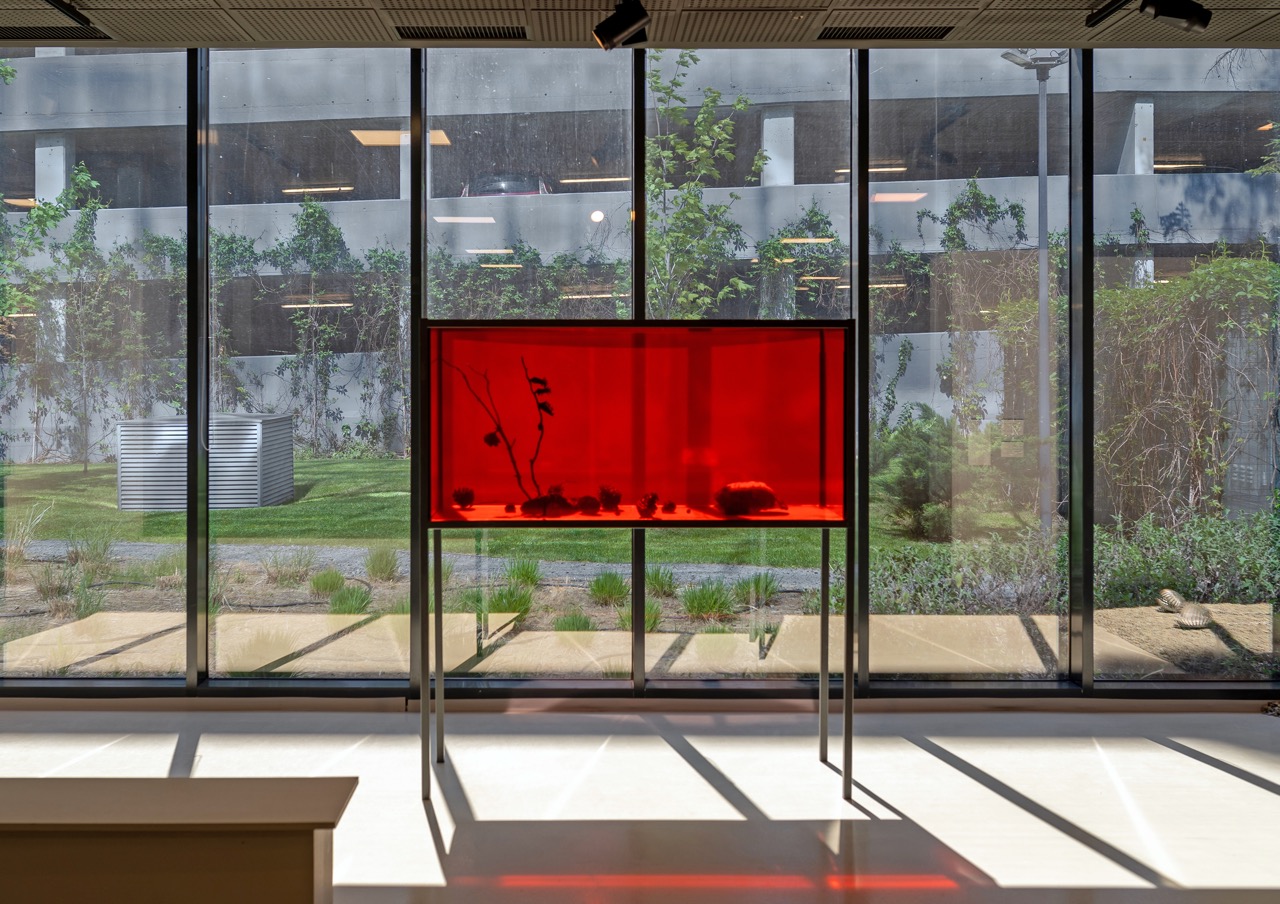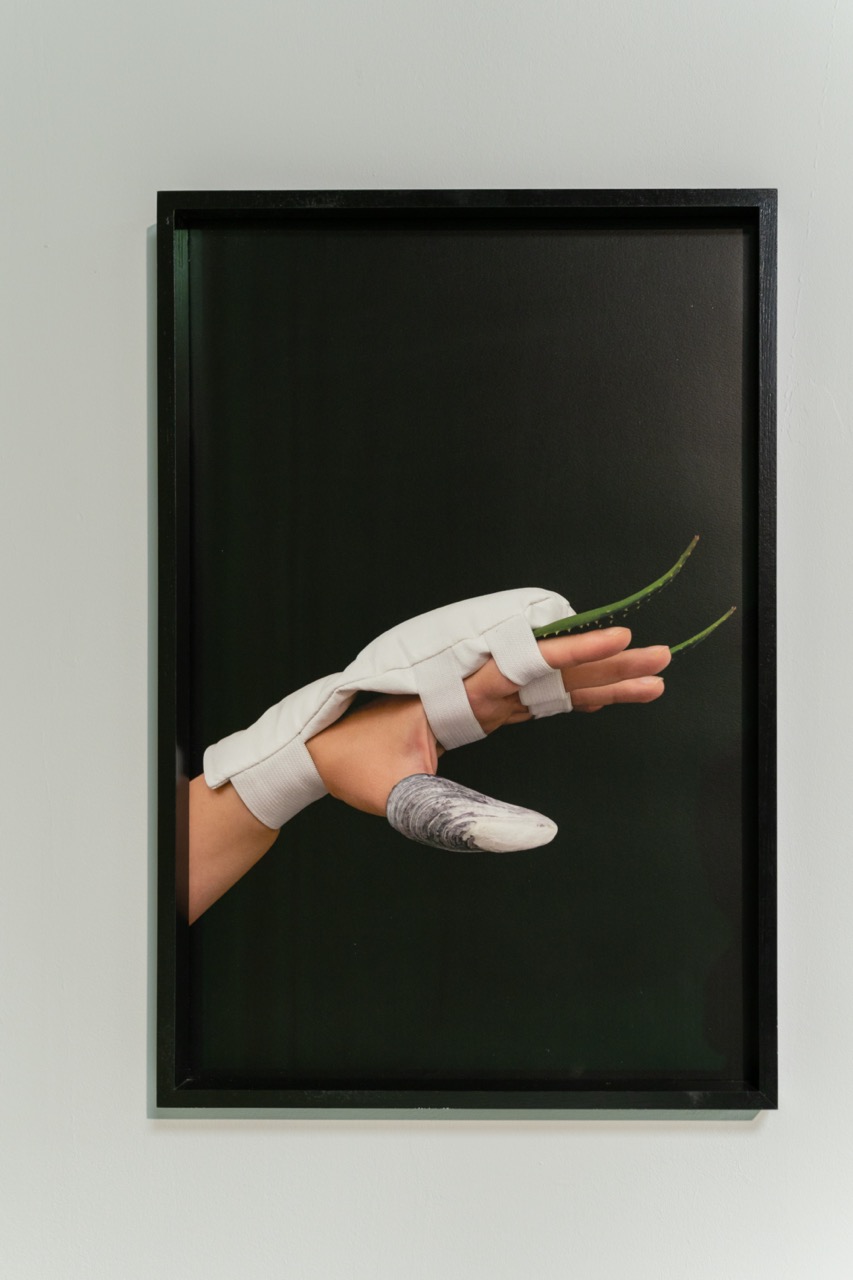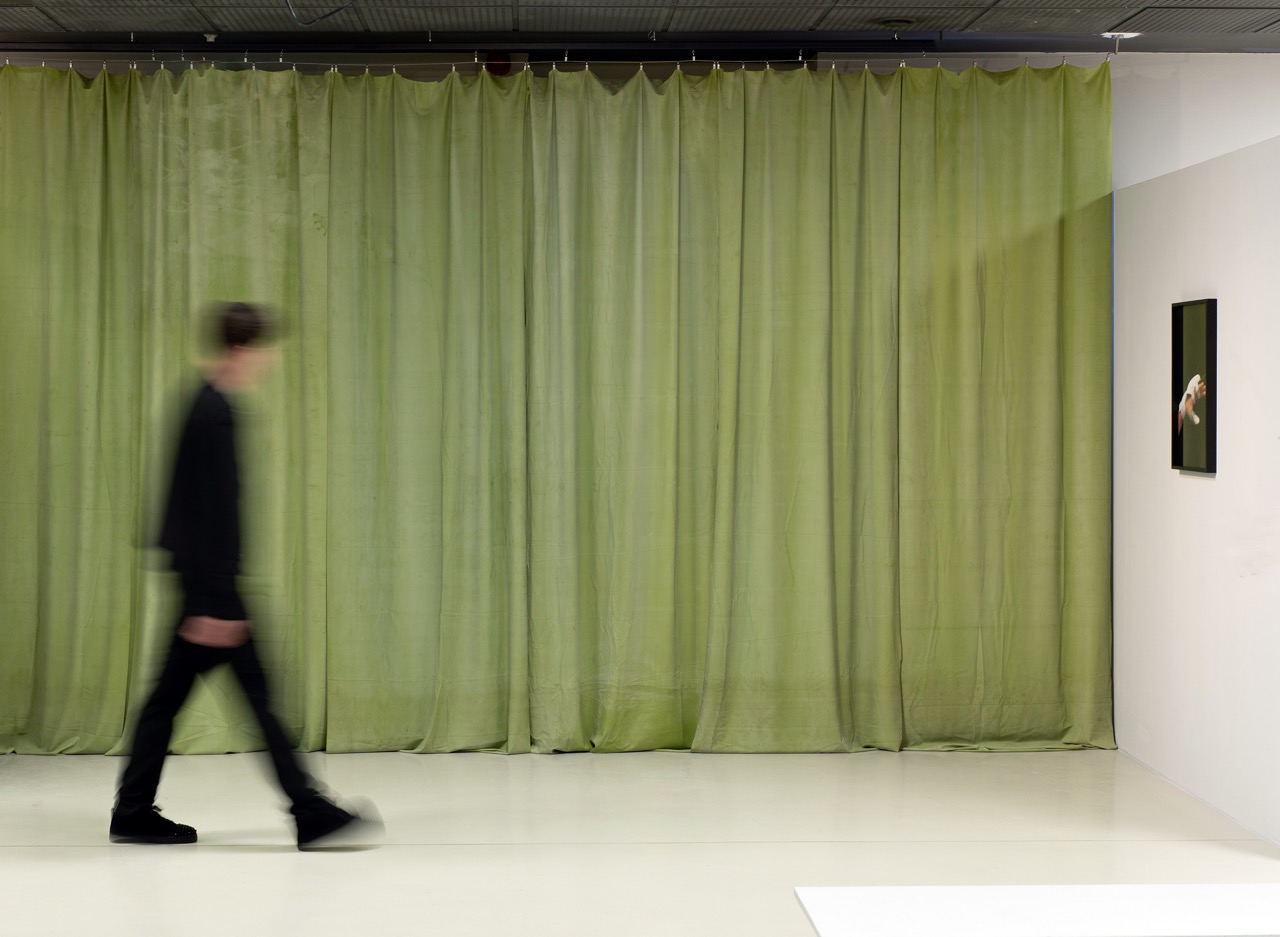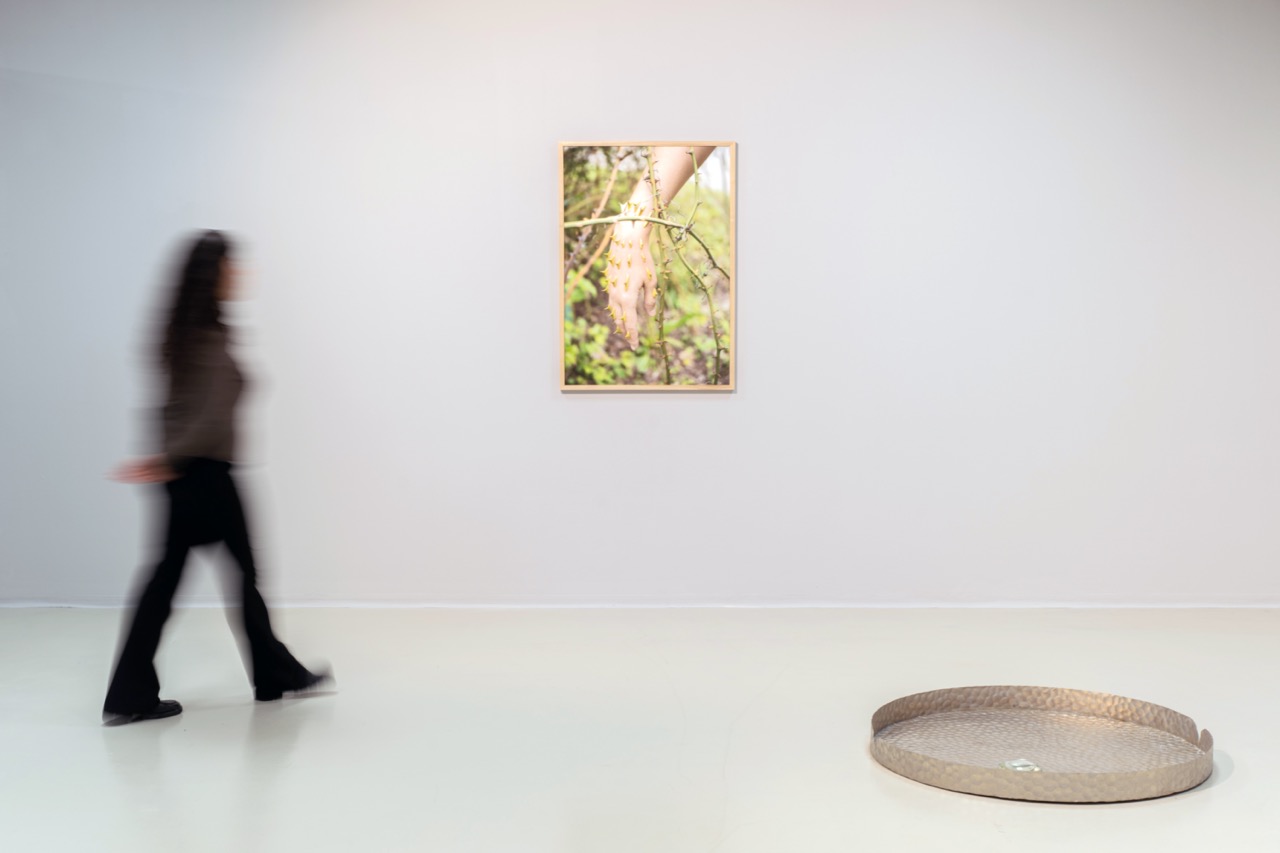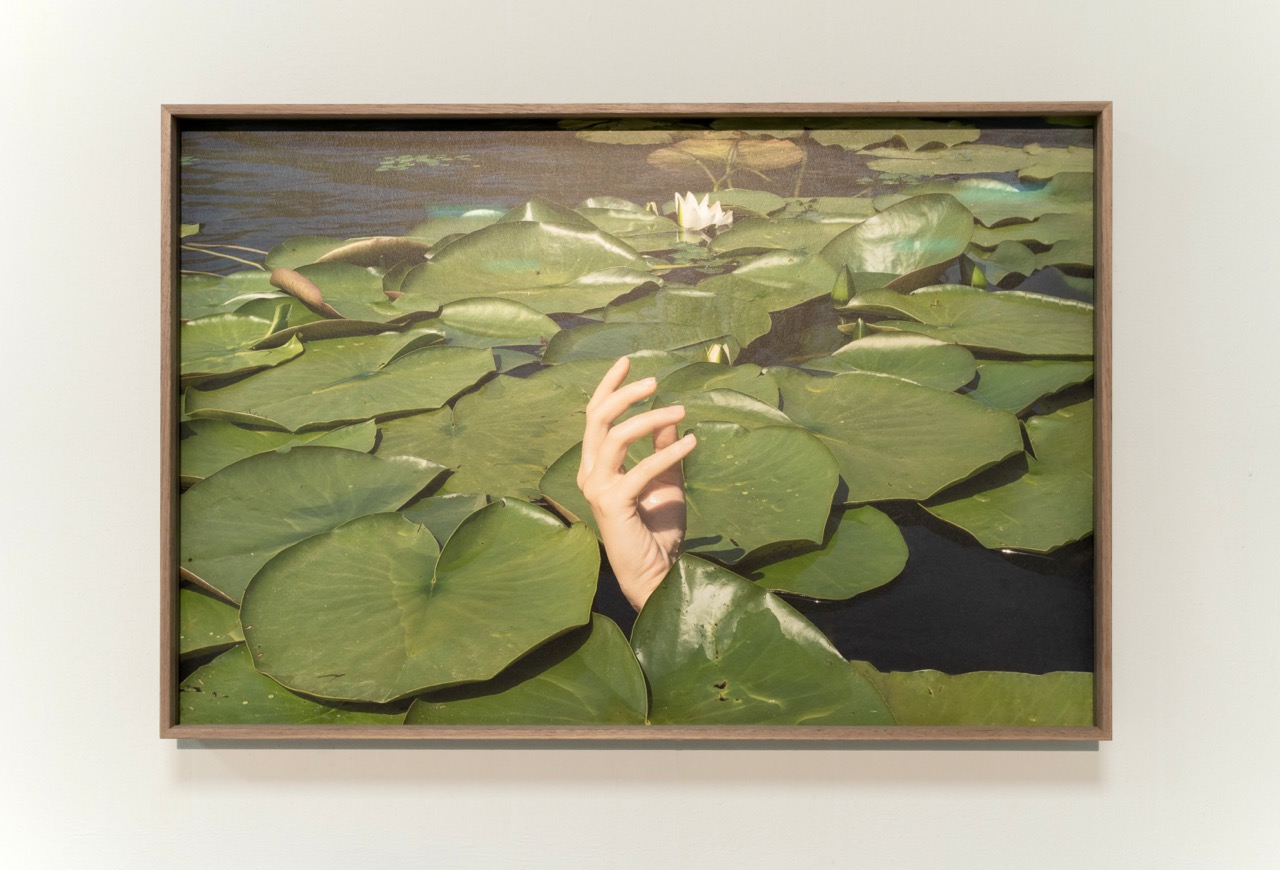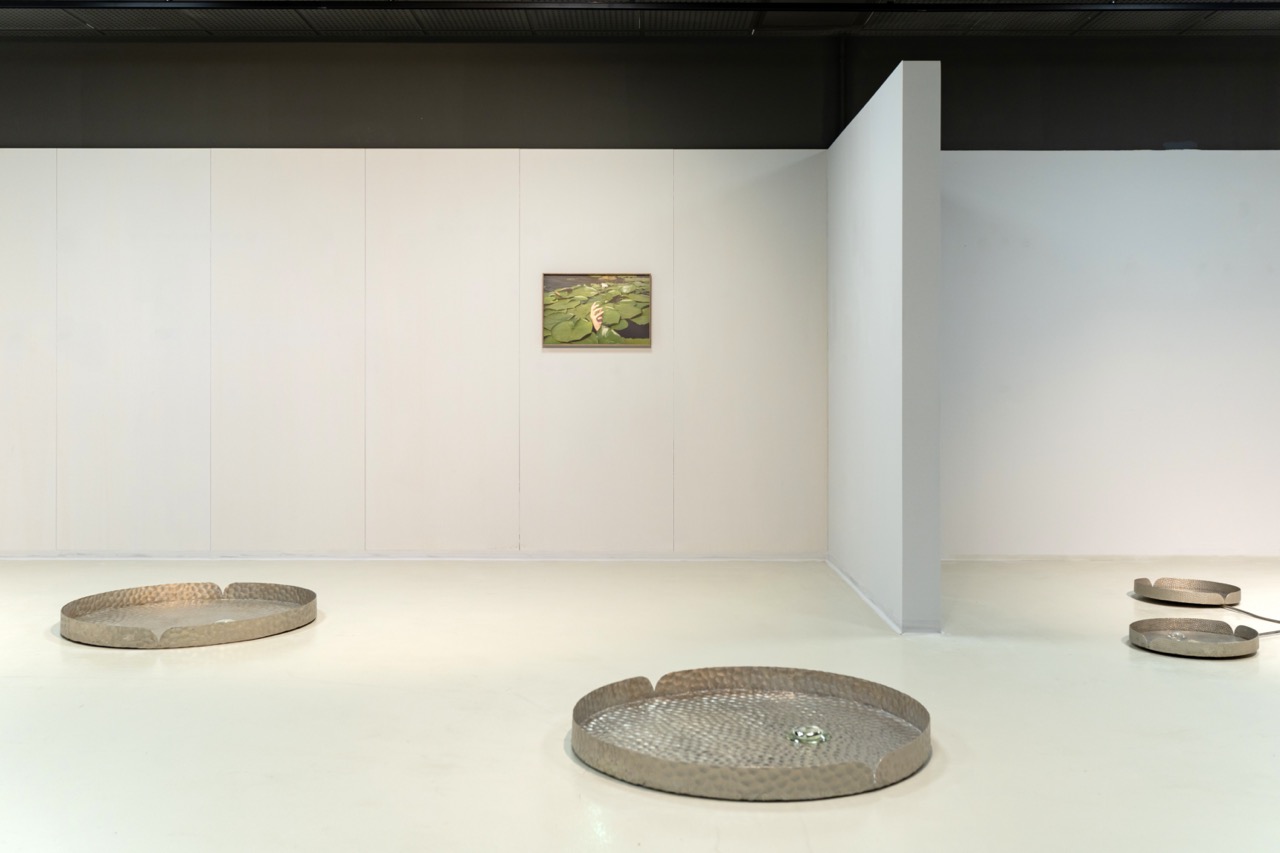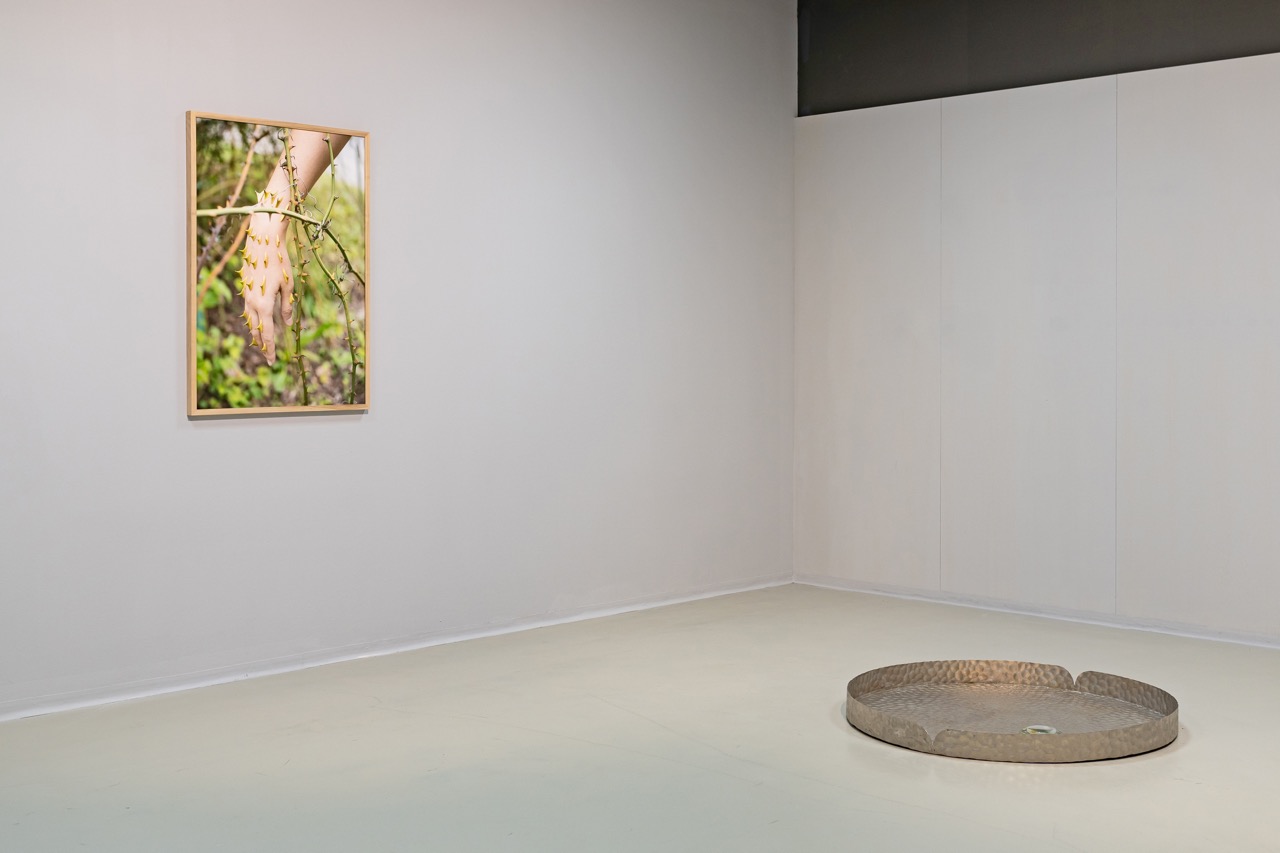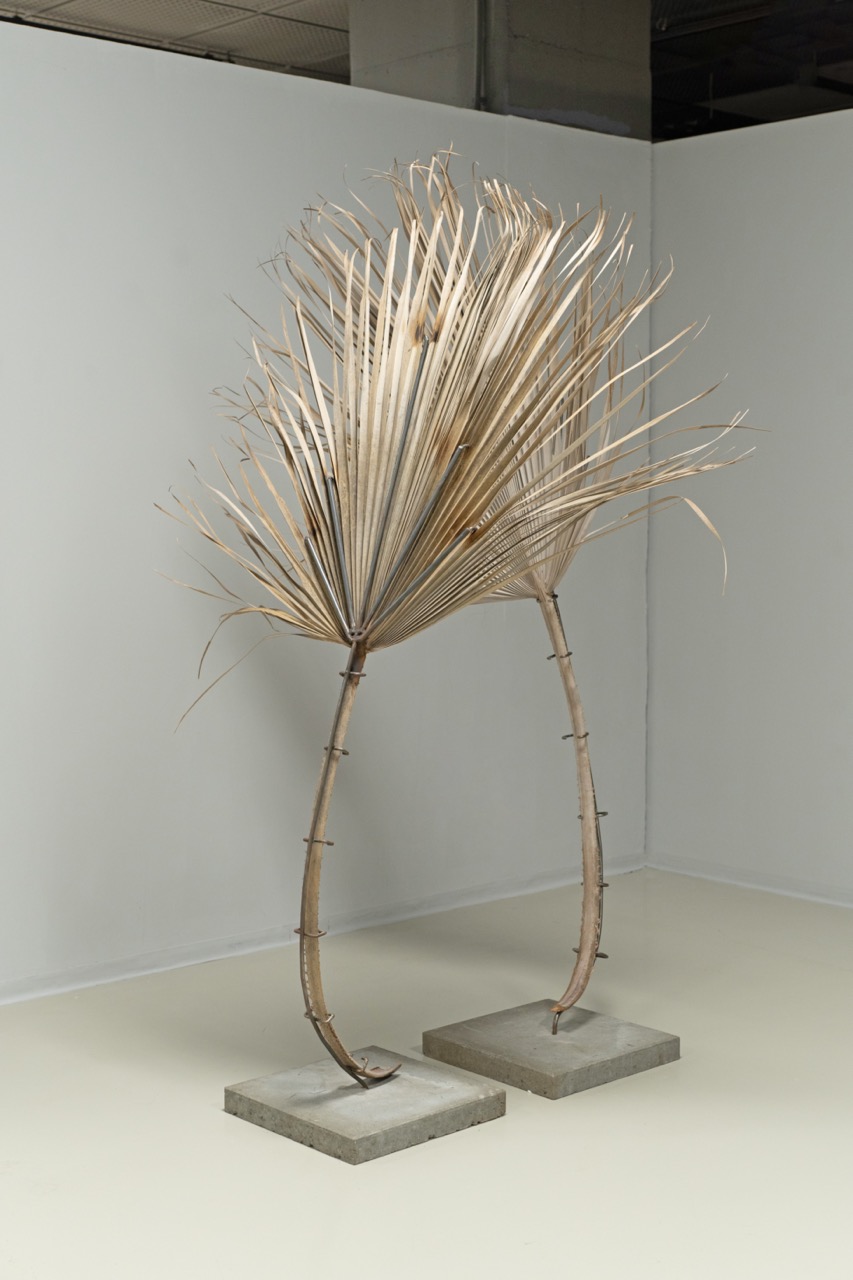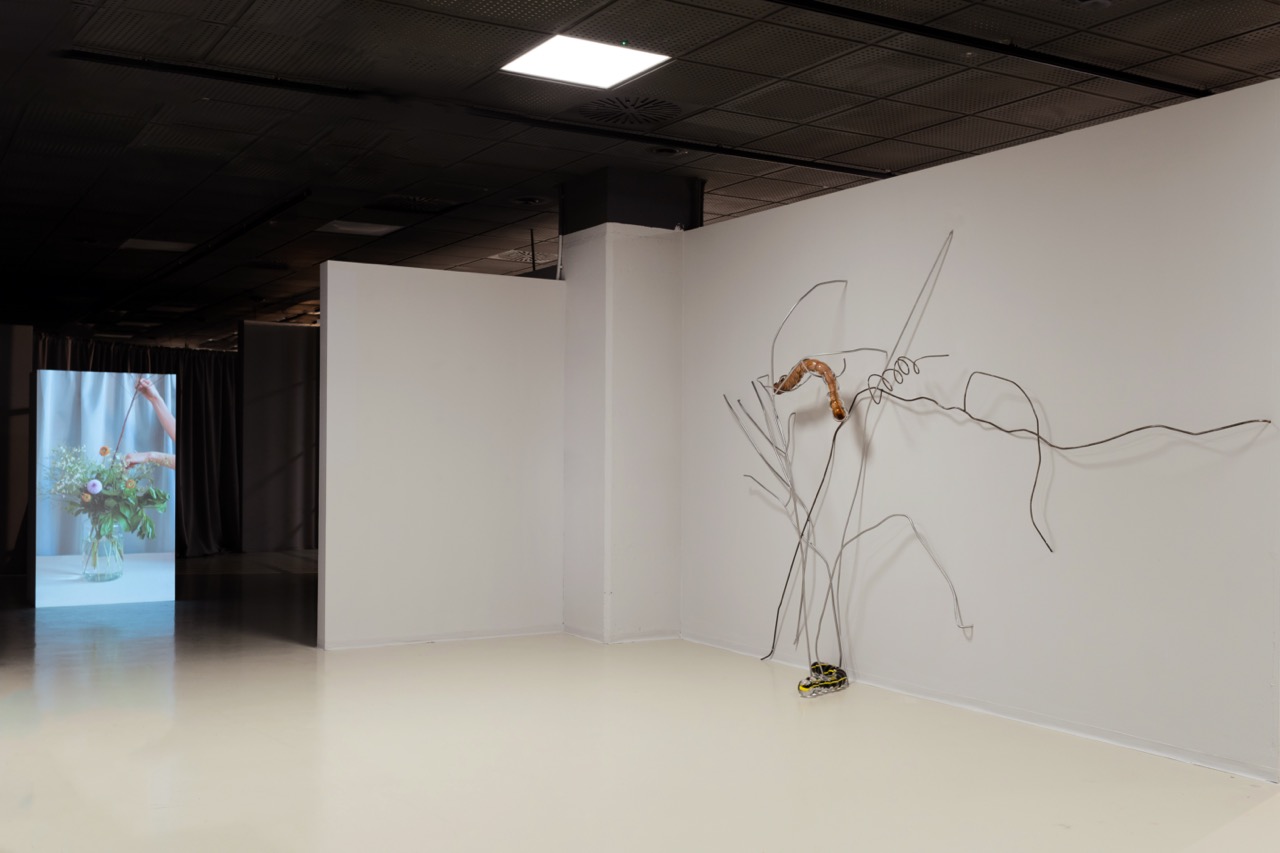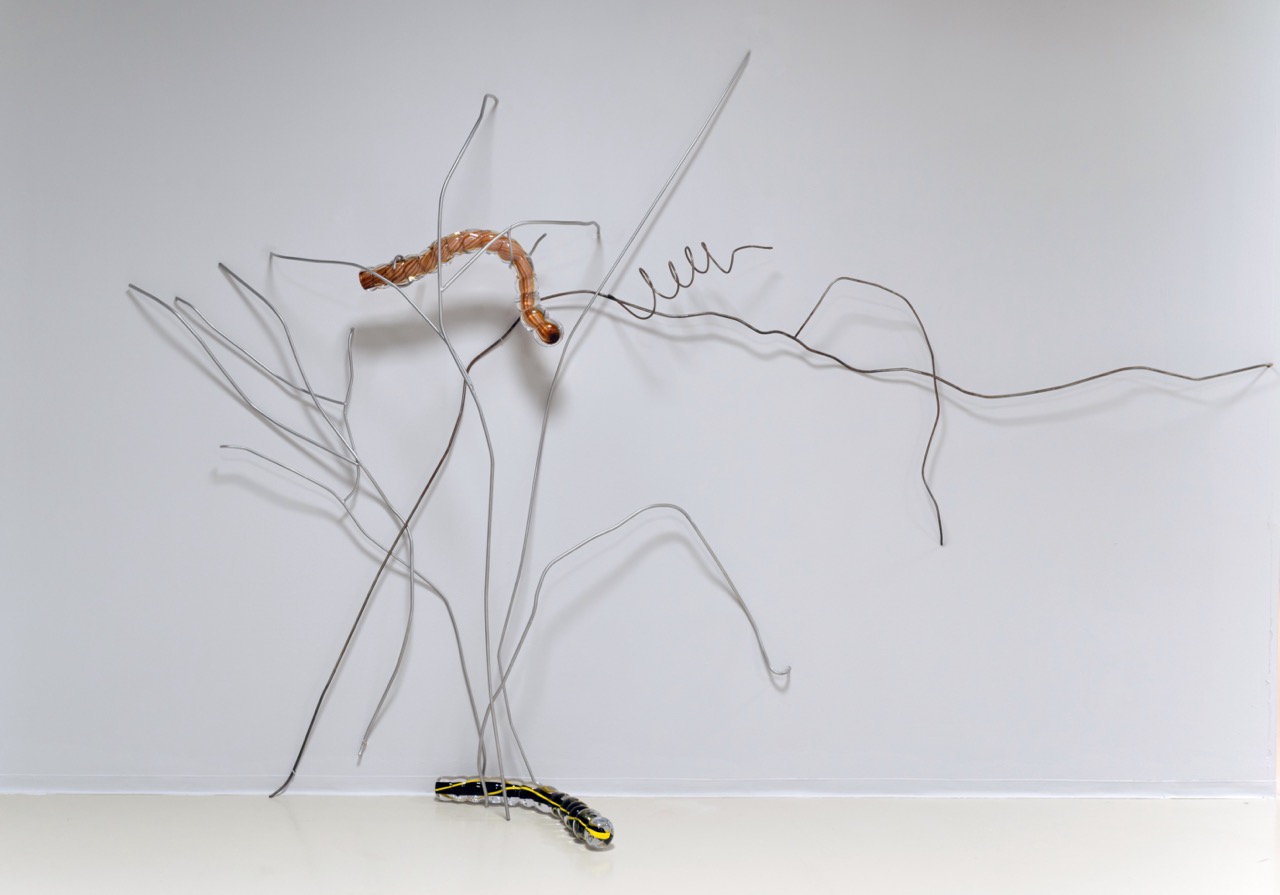
Nona Inescu (b. 1991) has carved out a unique, highly personal, and unmistakable niche for herself on the art scene. Her diverse body of work focuses on the relationship between the human body and the environment, and on redefining the subject from a posthumanist perspective, incorporating poetic and literary references as well as scientific data she collects. Her works often combine human anatomical parts with geological, botanical, or natural landscape fragments in which the photographed body is placed.
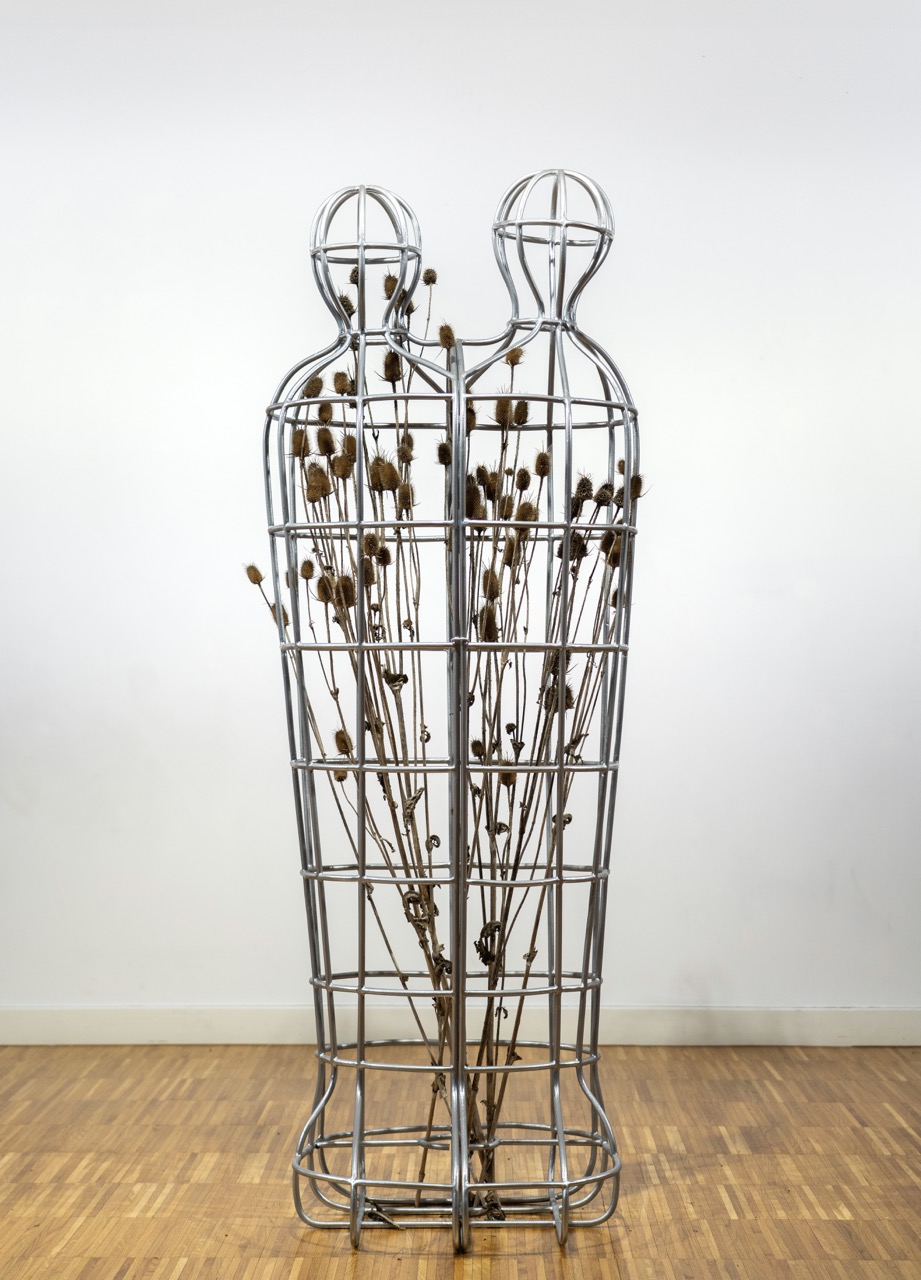
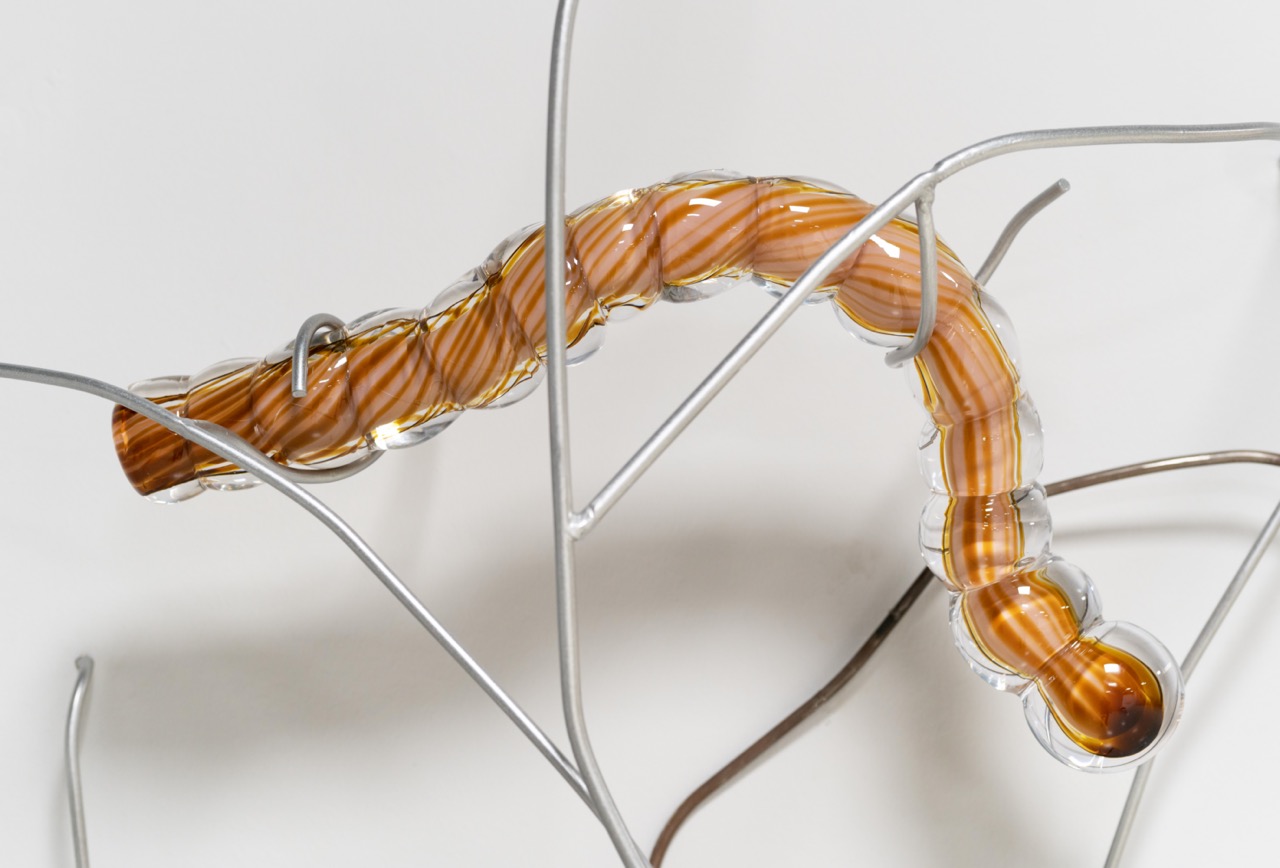
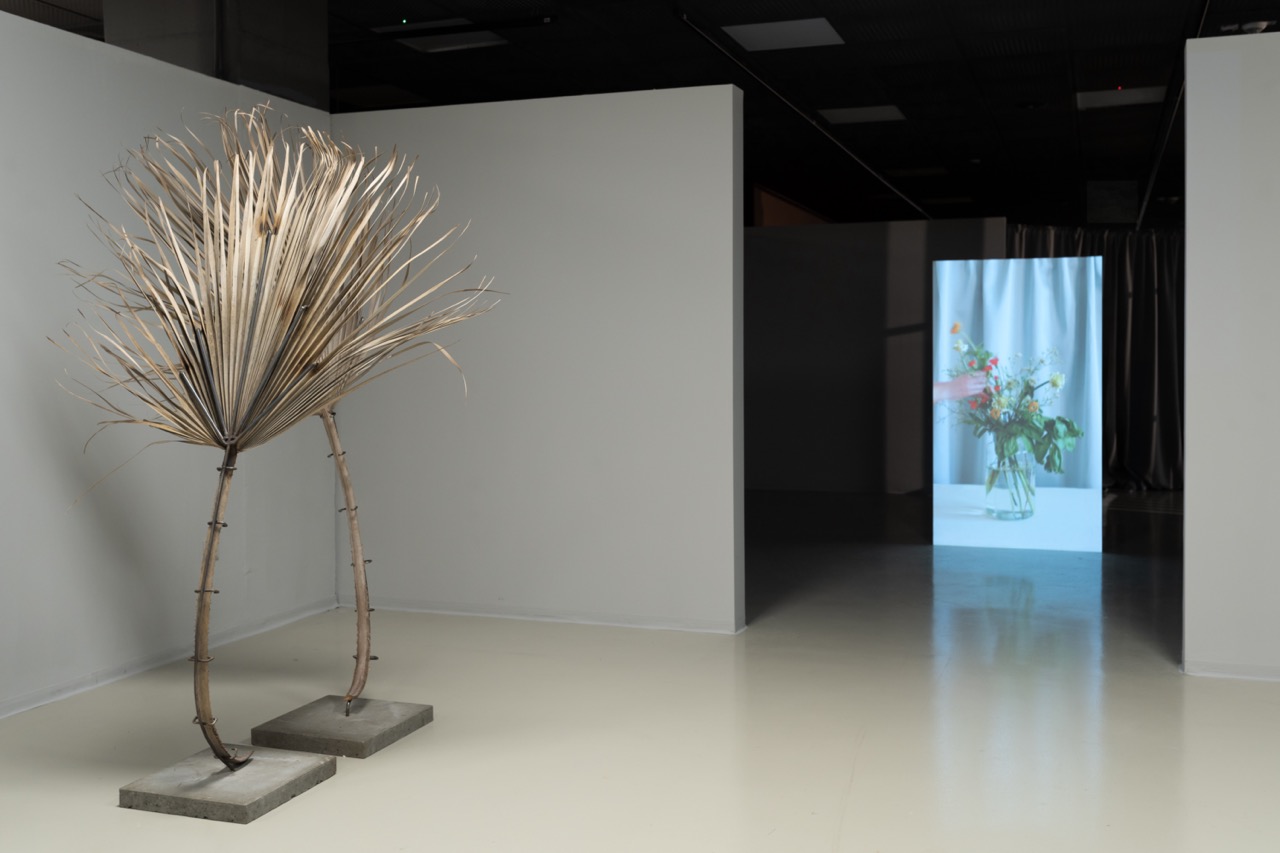
The artist’s work is also tied to the materiality of objects, touch being an extension of the eye—dried plants, latex, velvet, stone, sand, iron, glass, and skin all form part of a vast ensemble of components to which the body reacts in different ways. “Every being is united both internally and externally with the beginning of life in time, with the simplest forms of contemporary life,” wrote Jacquetta Hawkes. This contact with ancestral life forms and the ecologies of fragility reconfigures the idea of the garden in a personal, yet also collective, sense.
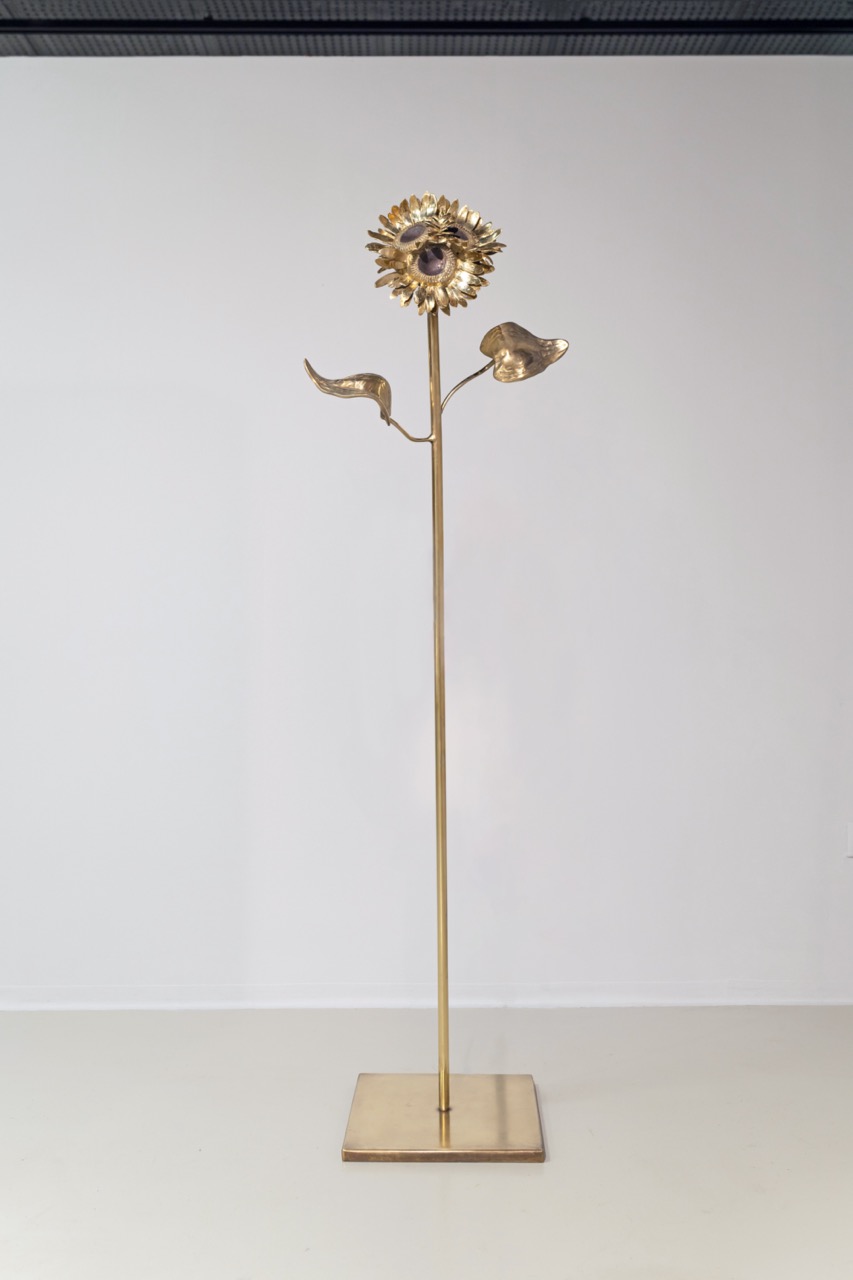
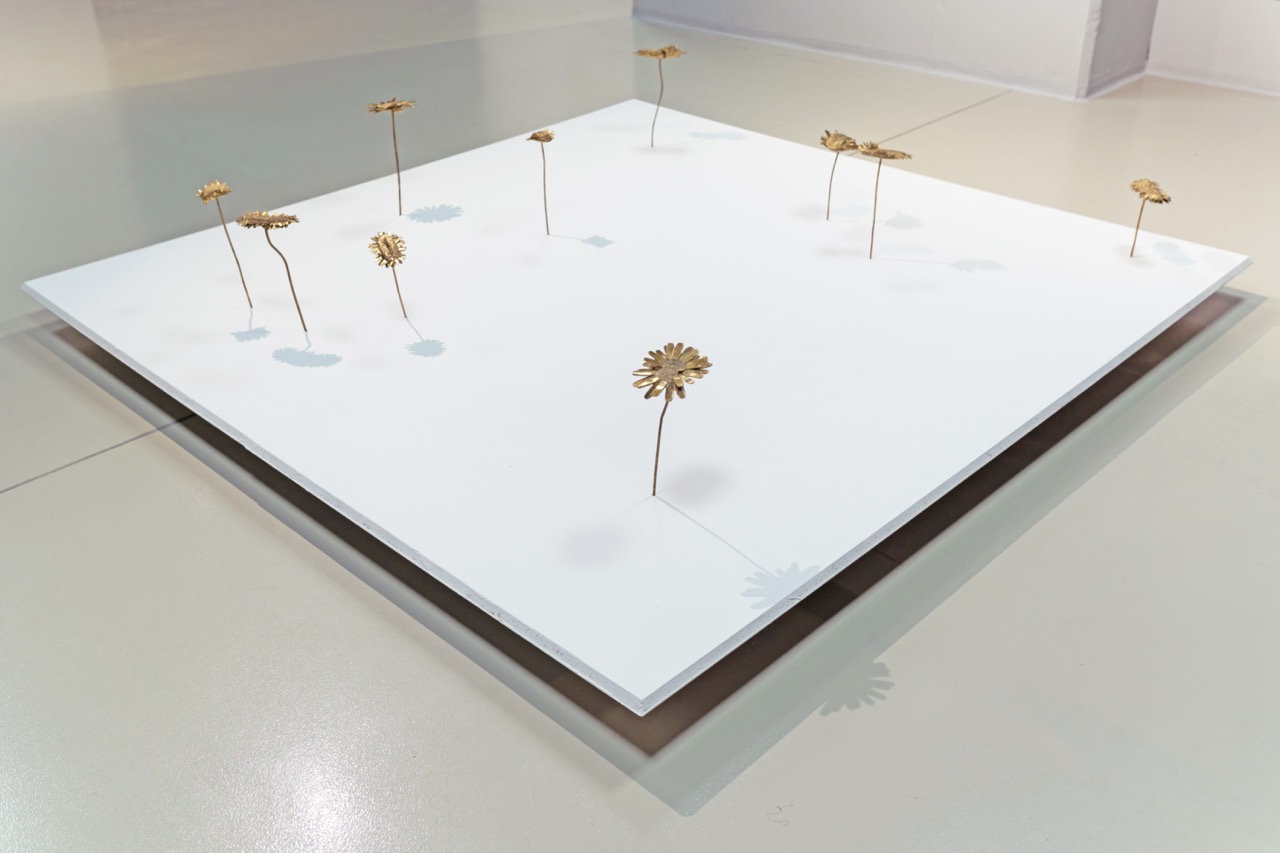
The mutations undergone by plants such as daisies in radioactive areas are studied by the artist through the concept of hybridity, while also acknowledging nature’s capacity for resilience. The artist creates a series of sculptures on this theme and pairs them with site-specific interventions, specially created for the Art Encounters space.
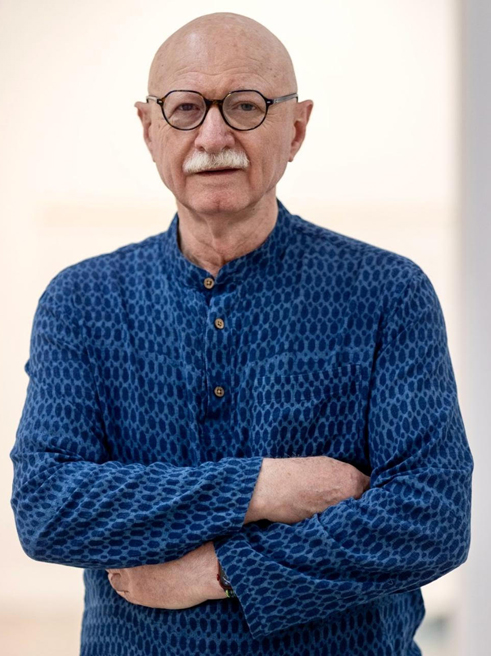
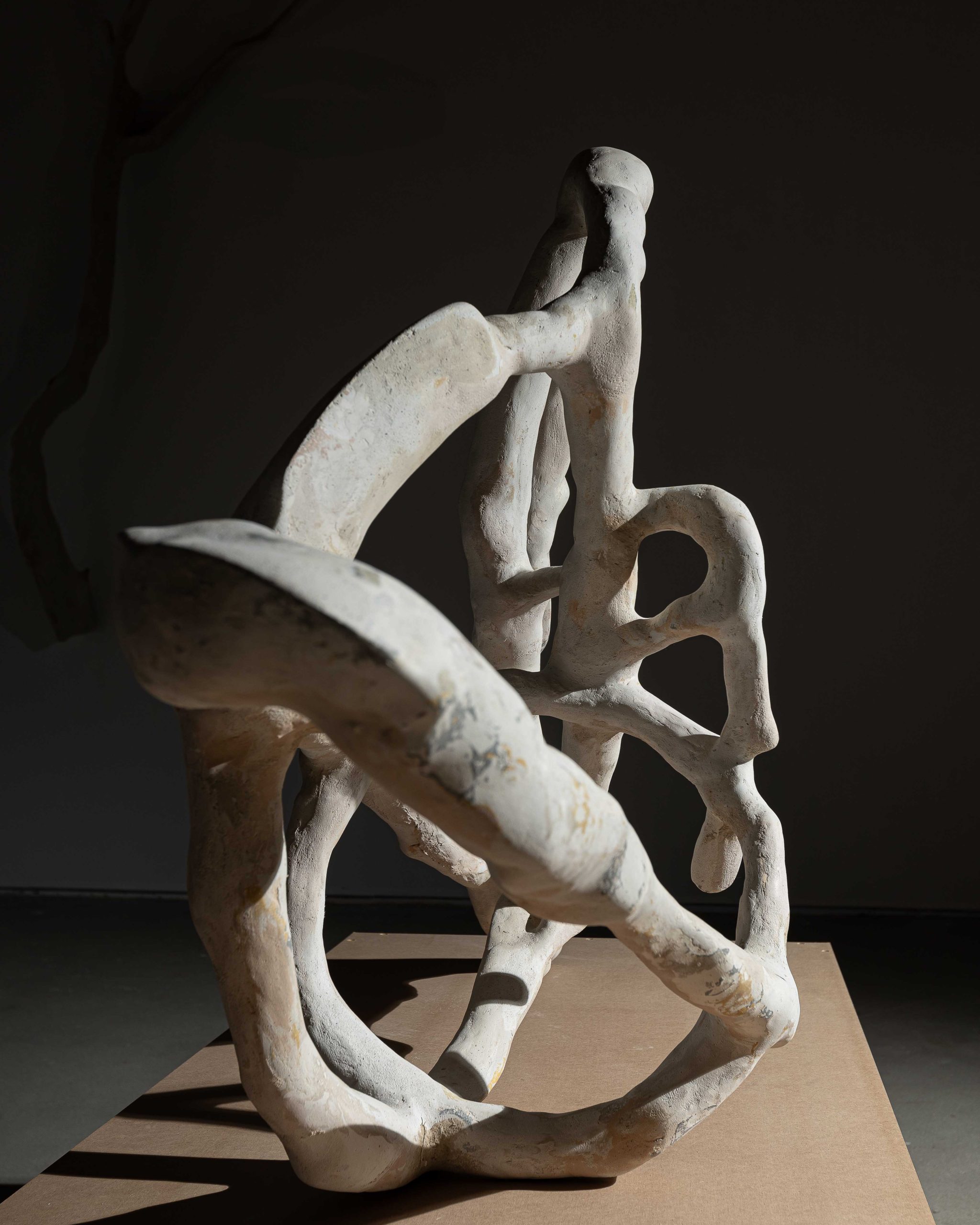
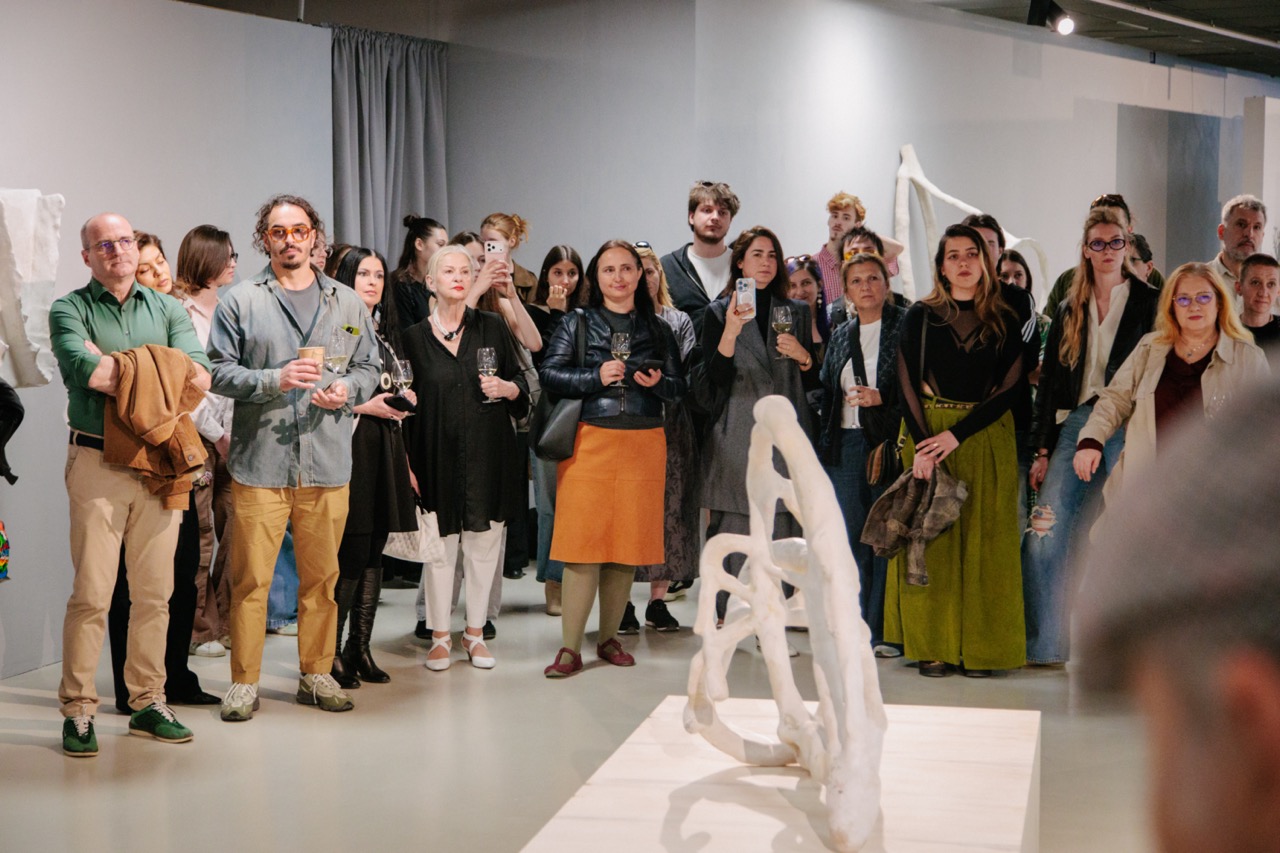
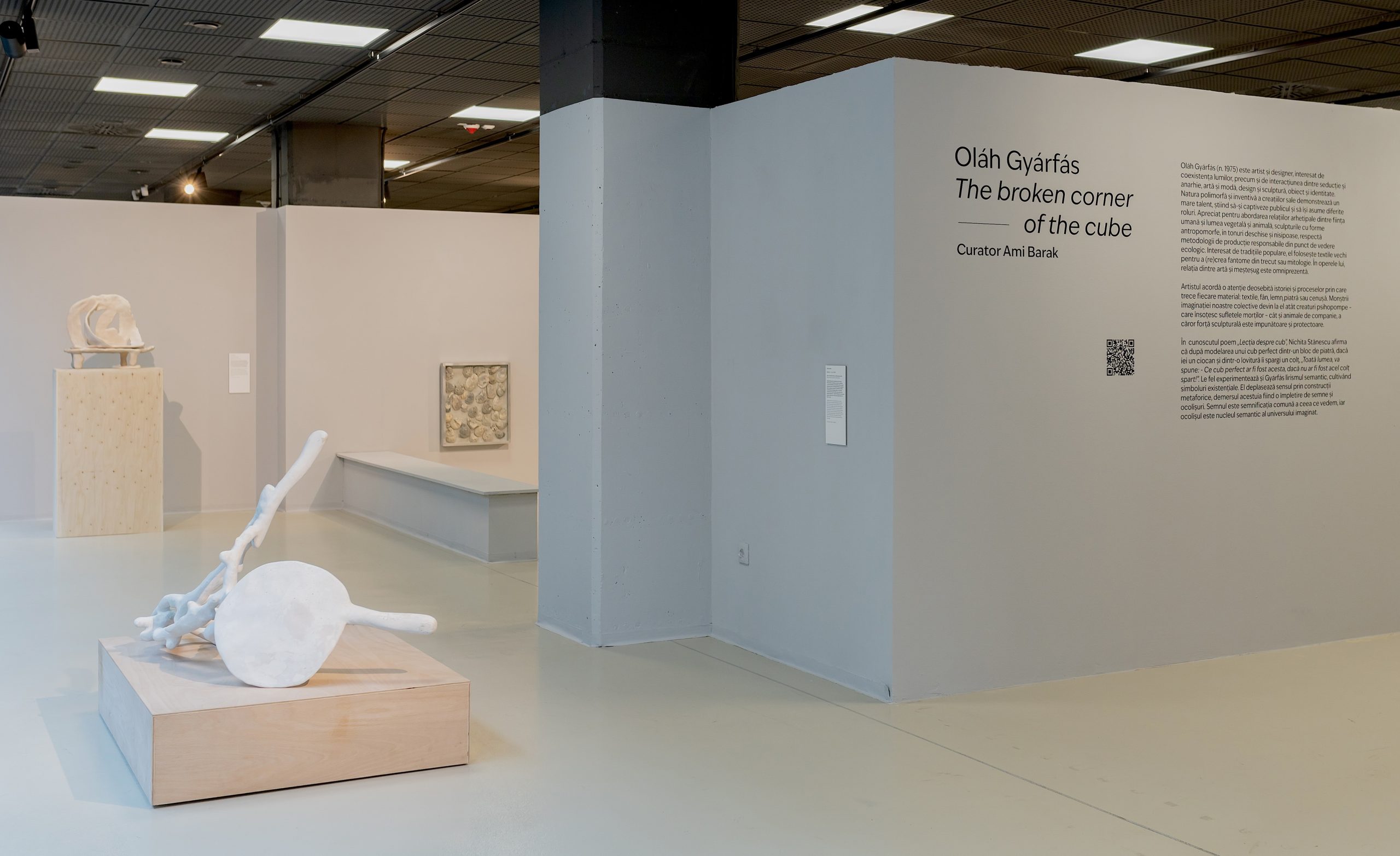
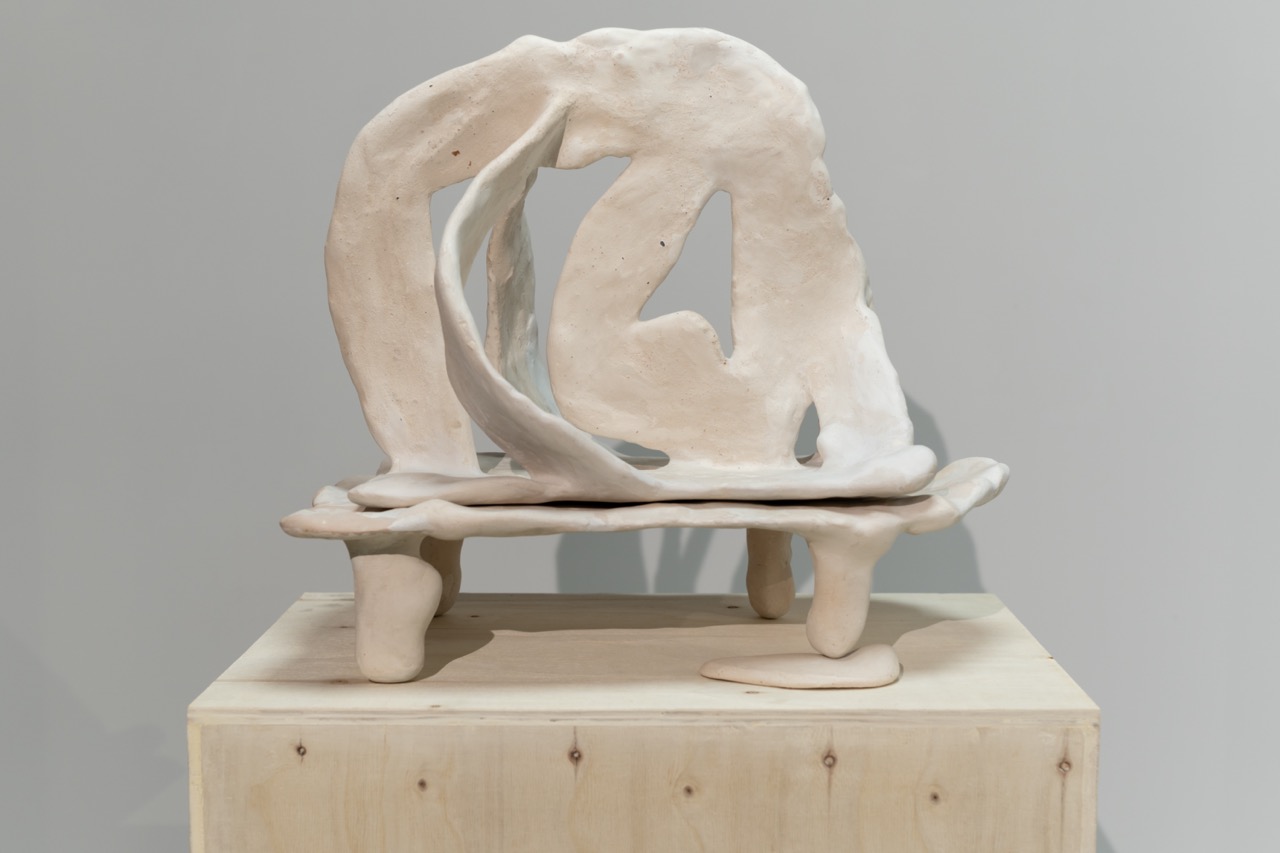
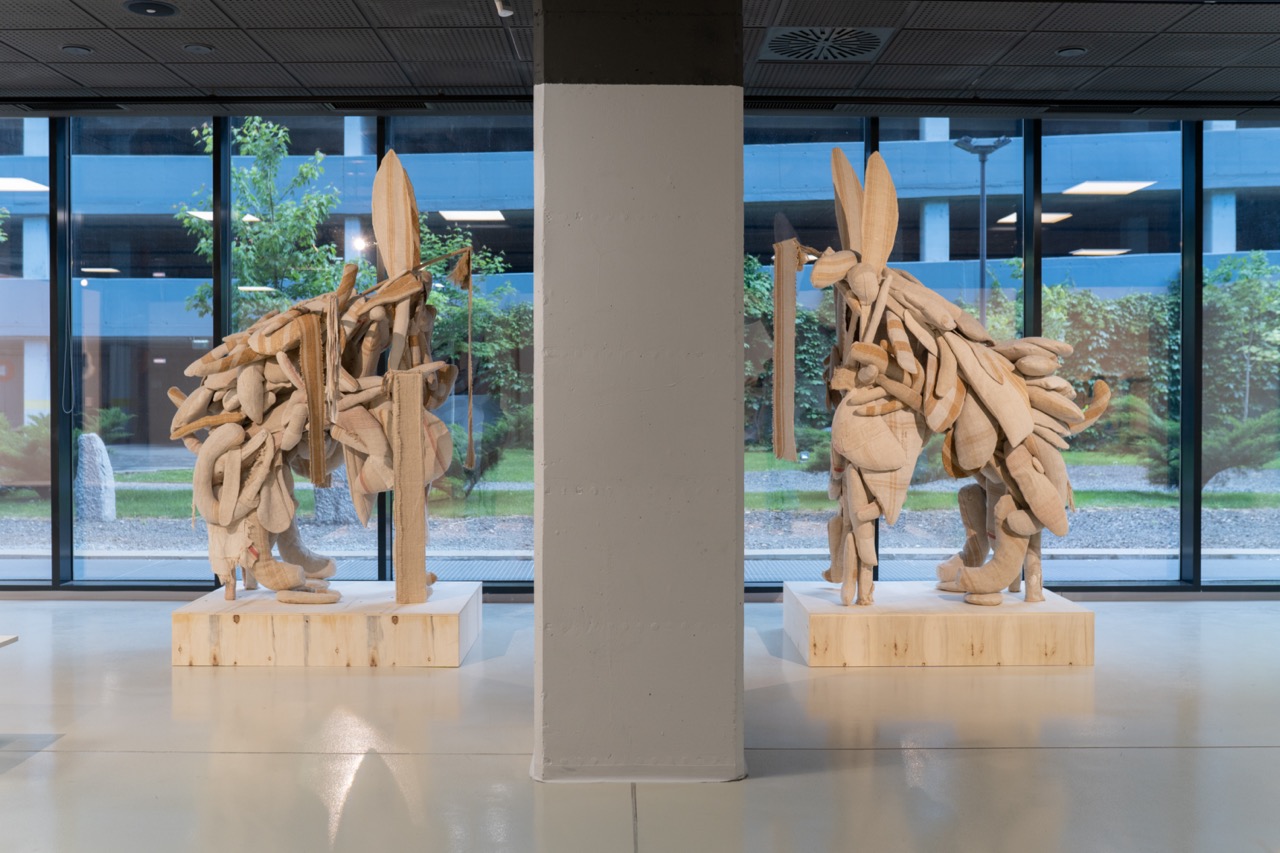
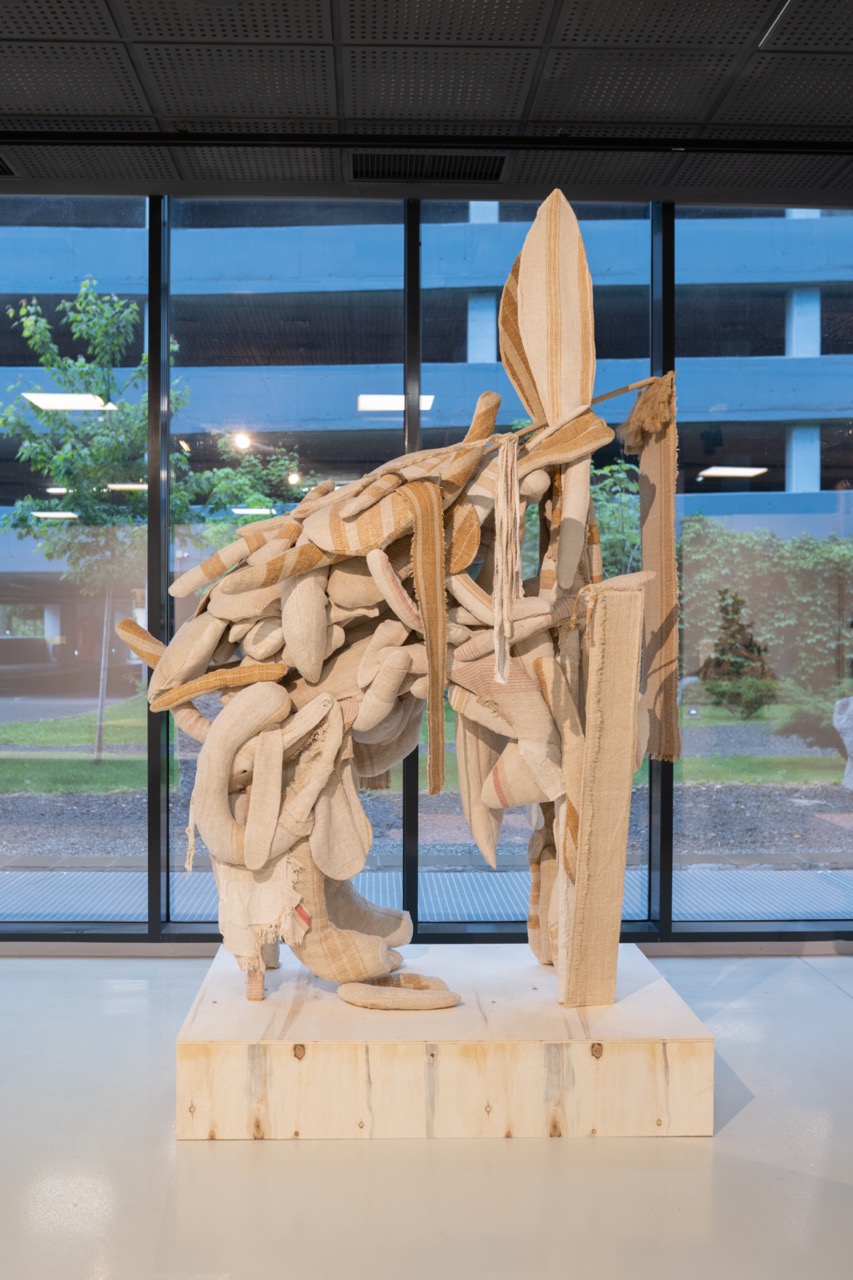
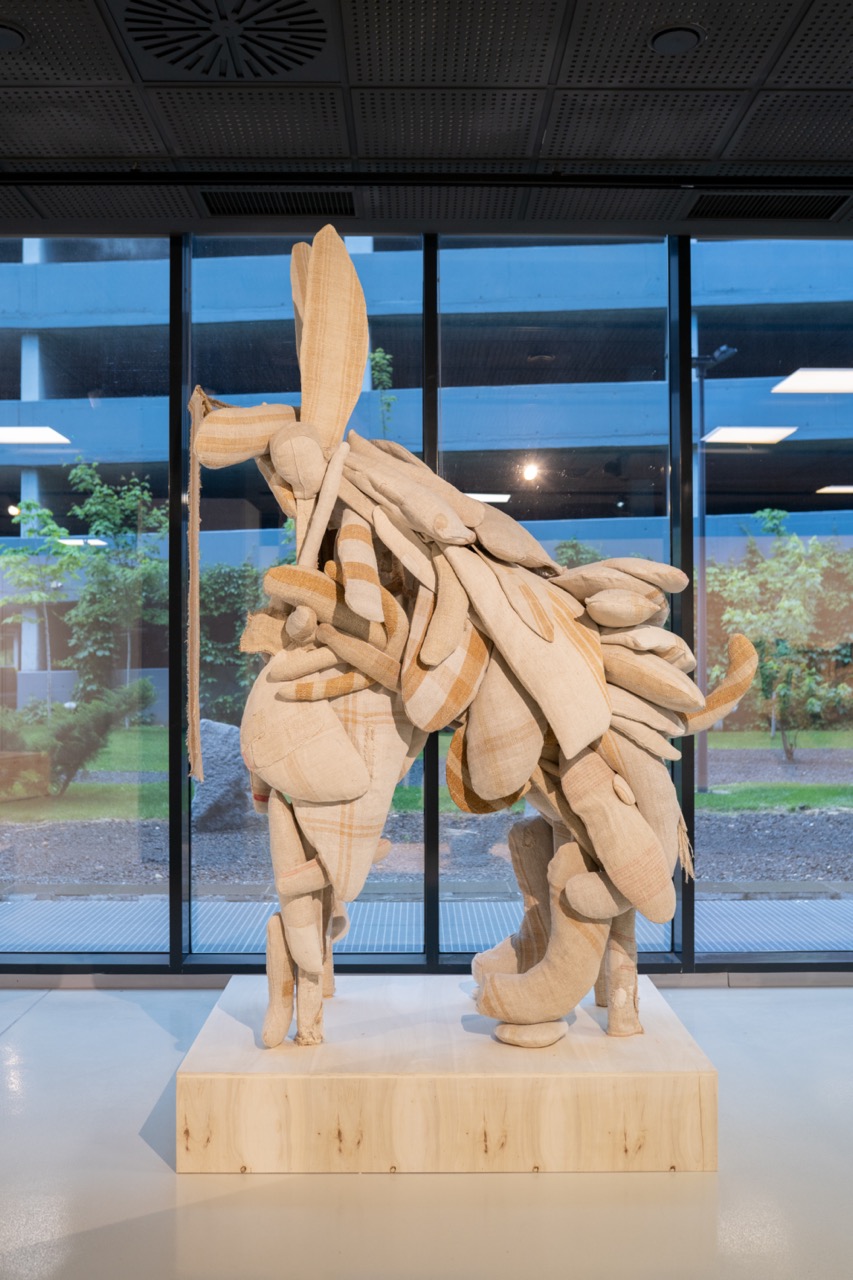
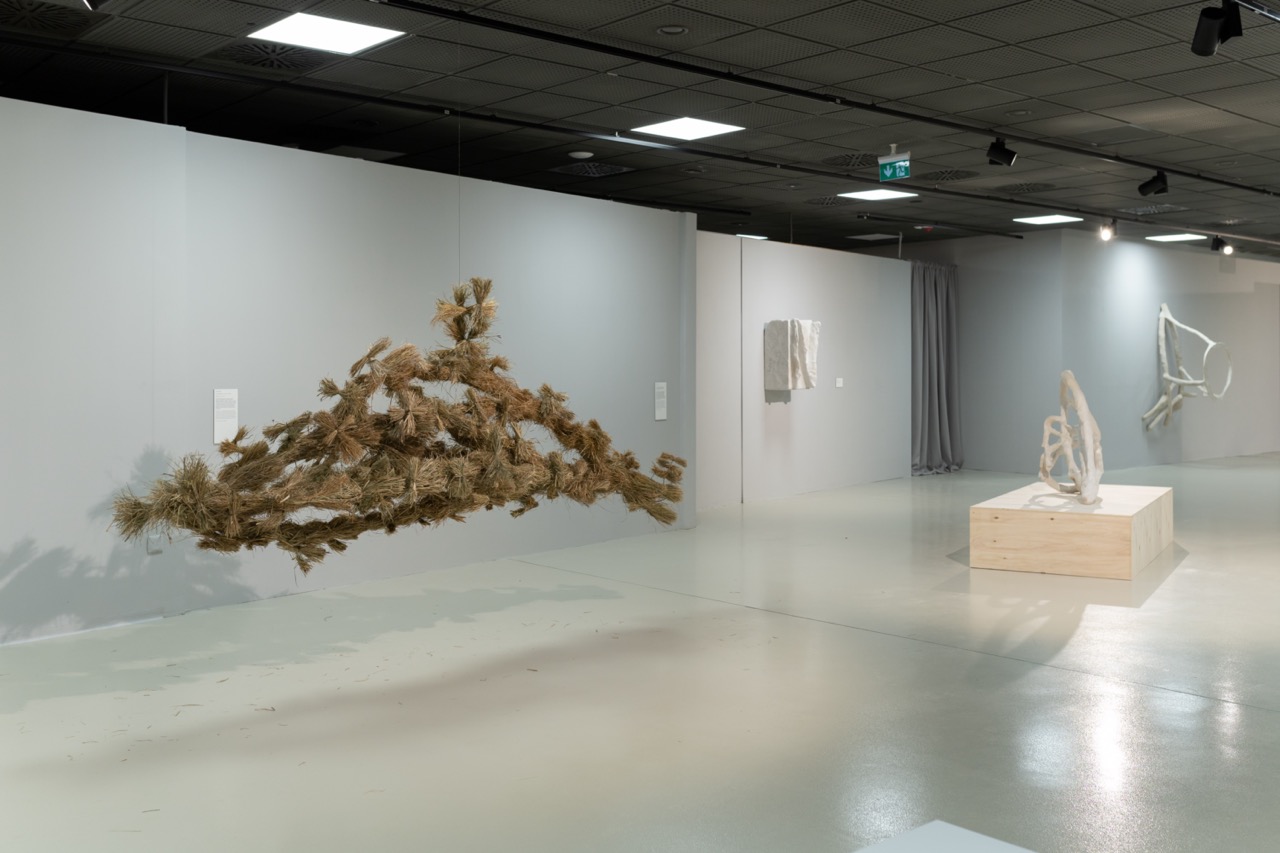
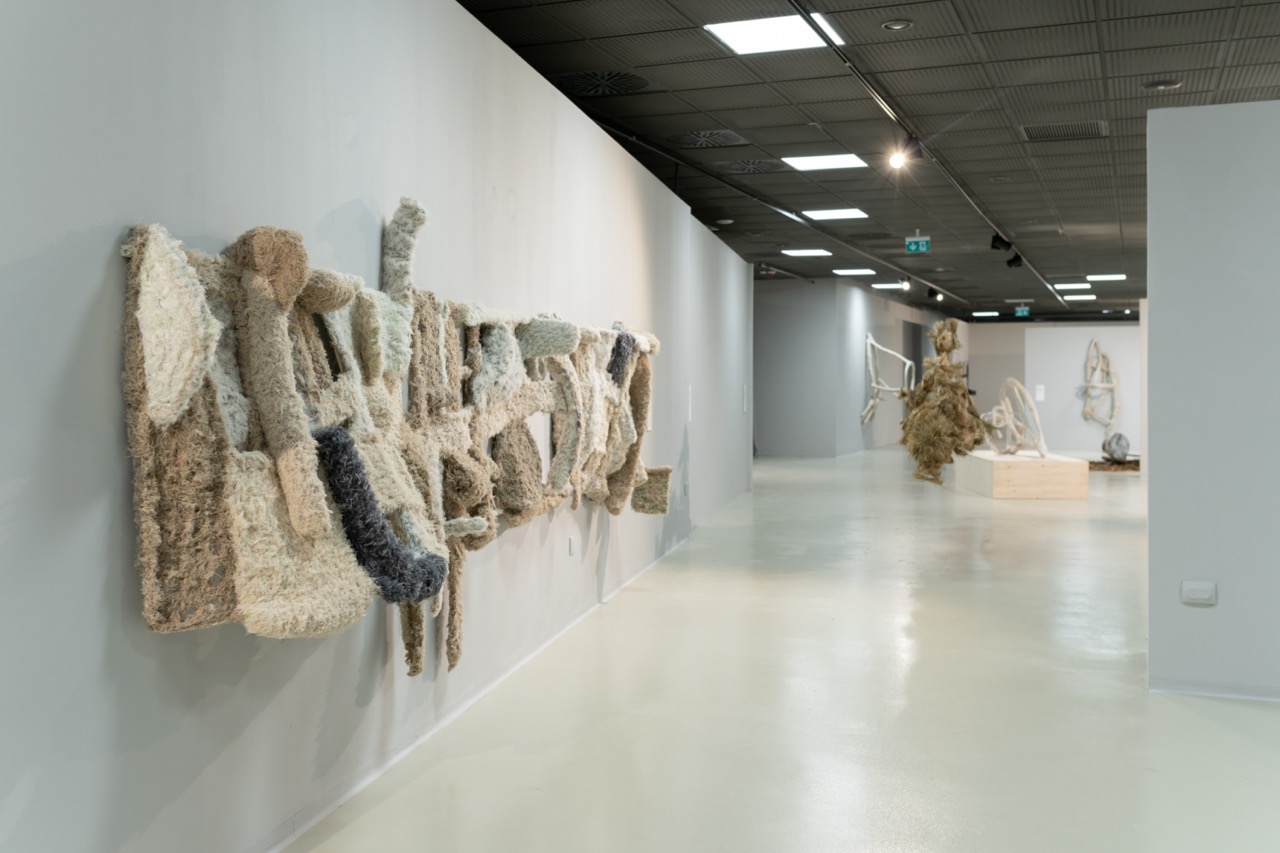
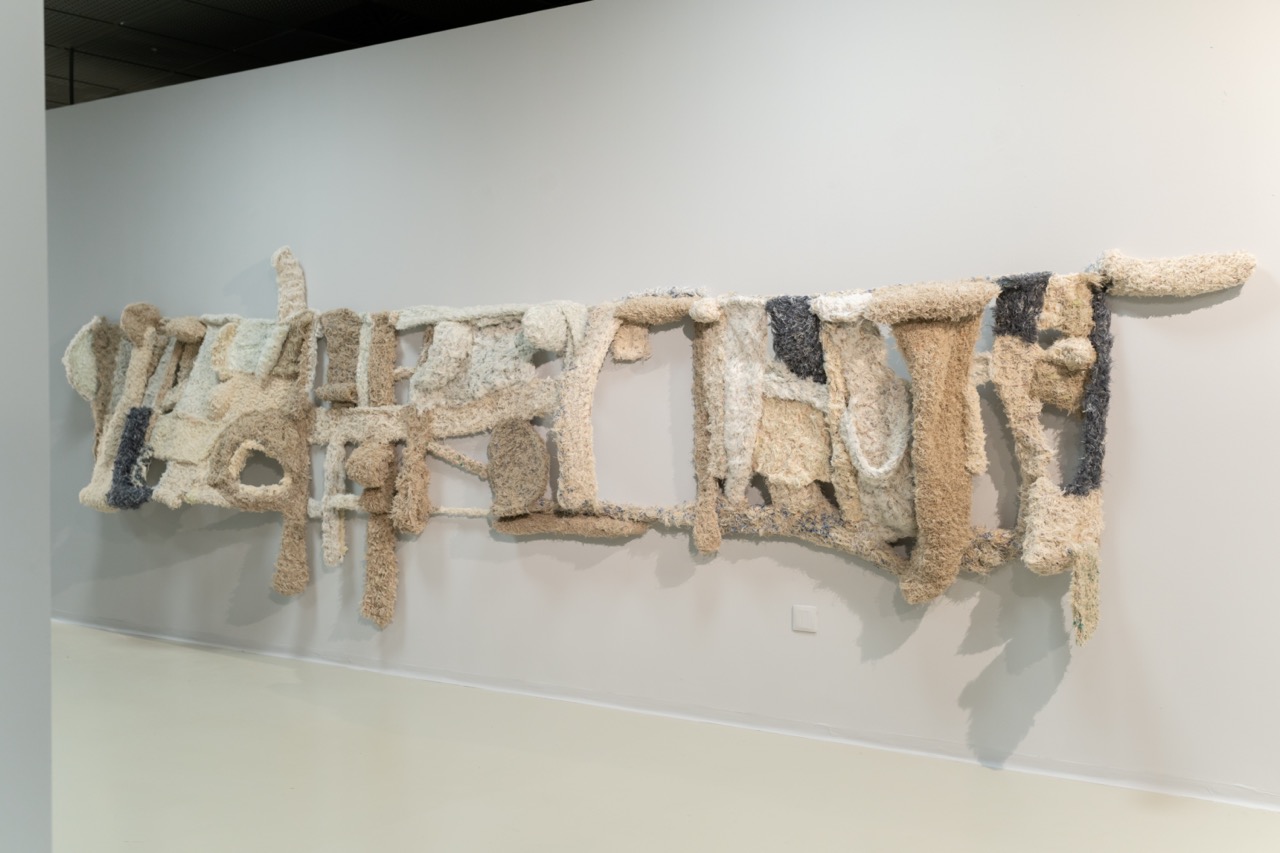
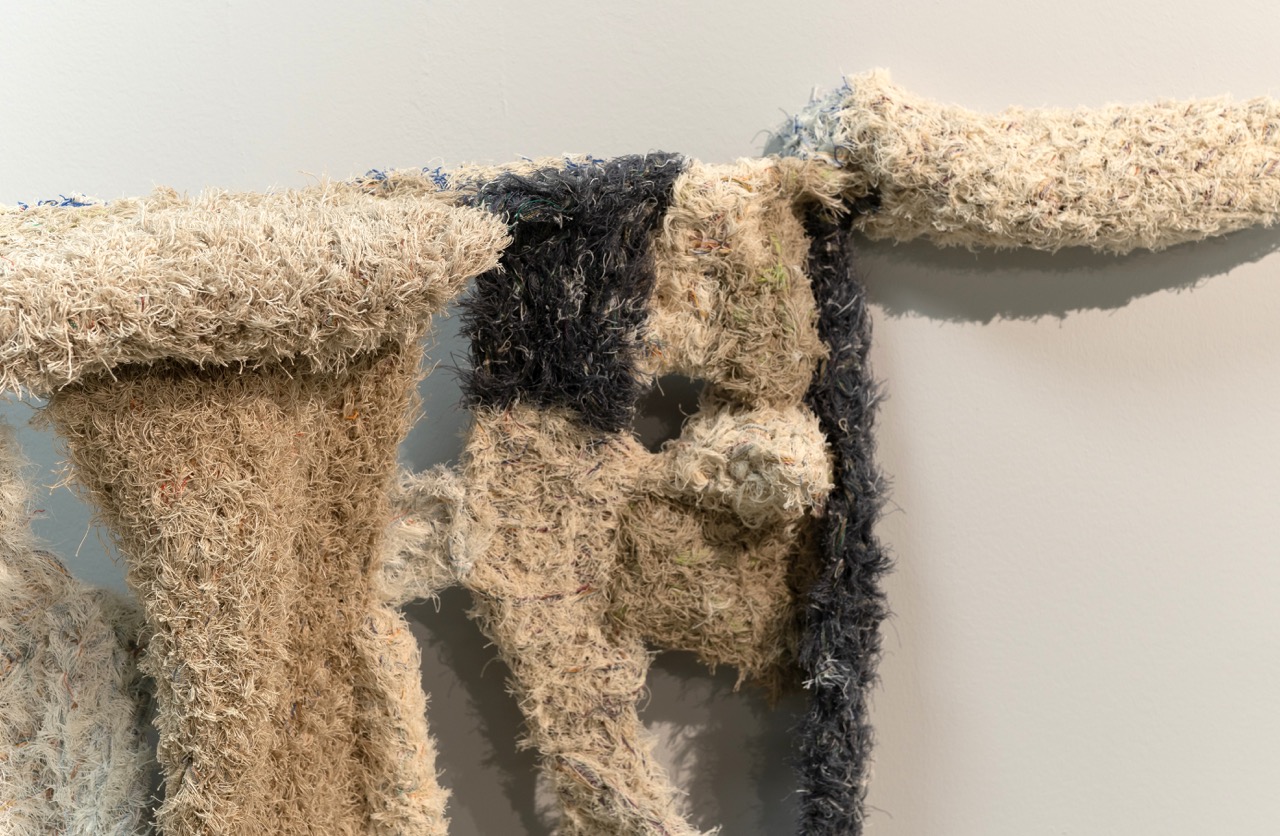
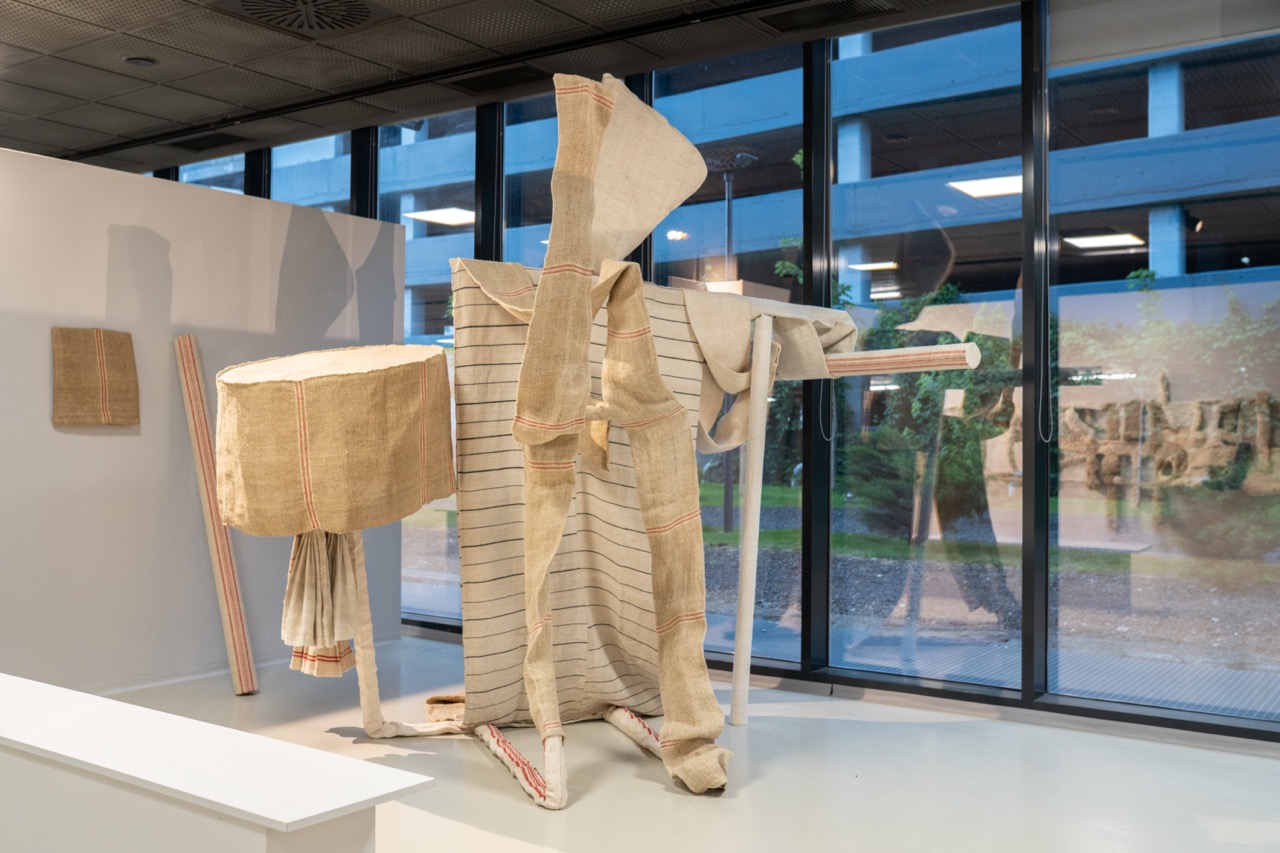
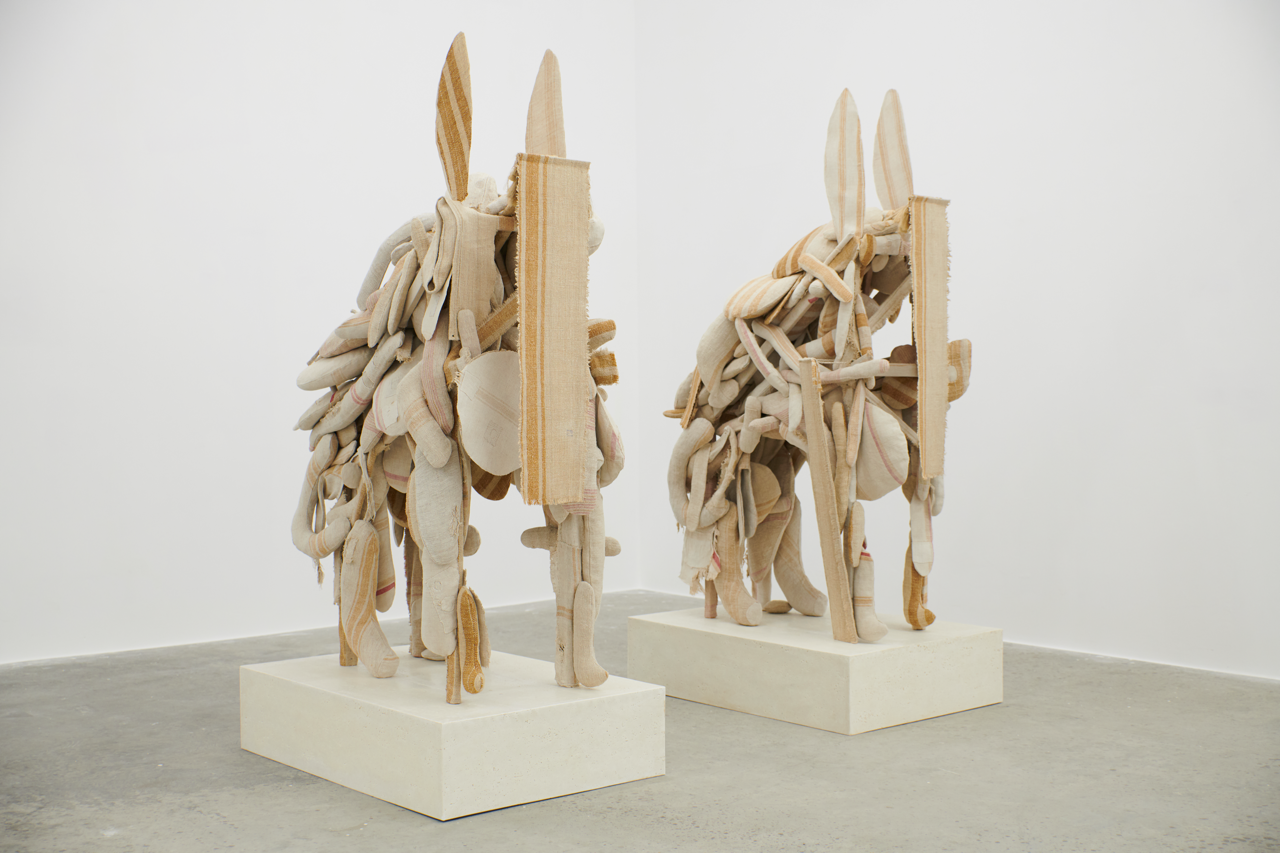
Oláh Gyárfás (b. 1975) is an artist and designer interested in the coexistence of worlds, as well as the interaction between seduction and anarchy, art and fashion, design and sculpture, object and identity. The multifaceted and inventive nature of his creations demonstrates great talent, as he knows how to captivate his audience and craft narratives. Appreciated for his exploration of the archetypal relationships between human beings and the plant and animal worlds, his anthropomorphic sculptures, rendered in light, sandy tones, adhere to environmentally responsible production methods. Interested in folk traditions, he uses old textiles to (re)create ghosts from the past or mythology. In his works, the relationship between art and craft is omnipresent.
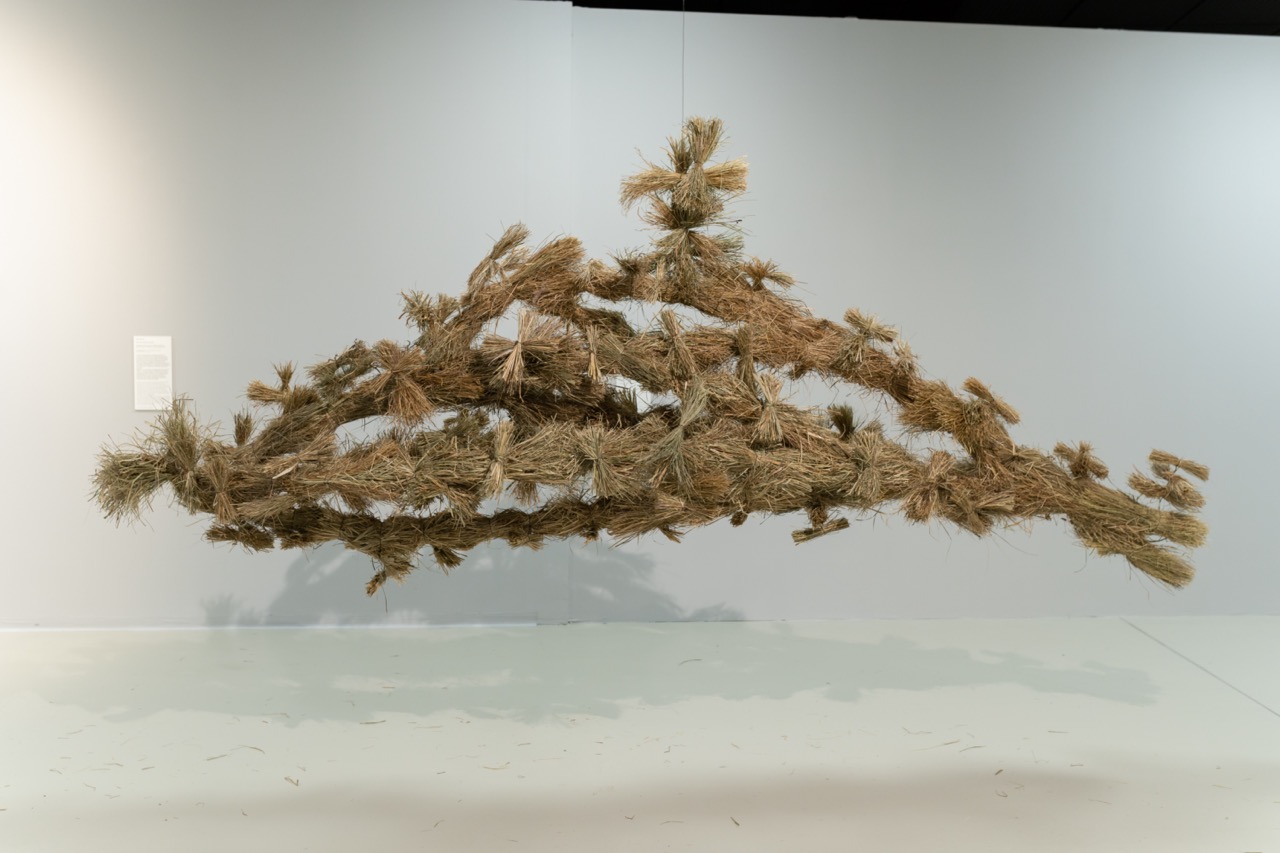
The artist pays special attention to the history and processes each material undergoes: textiles, hay, wood, stone, or ash. The monsters of our collective imagination become, in his work, both psychopomp creatures—which accompany the souls of the dead—and companion animals, whose sculptural power is imposing and protective.
In the well-known poem “The Lesson on the Cube,” Nichita Stănescu states that after carving a perfect cube from a block of stone, if you take a hammer and with a single blow break off a corner, “Everyone will say: ‘What a perfect cube this would have been, if only that corner hadn’t been broken!’” In the same way, Gyárfás experiments with semantic lyricism, cultivating existential symbols. He shifts meaning through metaphorical constructions, his approach being a weaving together of signs and detours. The sign is the shared meaning of what we see, and the detour is the semantic core of the imagined universe.